Hurt in Newport Beach? Talk with Howard Choi about the accident and the treatment, work or everyday activities it has interrupted. From Peninsula collisions to injuries on waterfront properties, start with the questions you need answered. Free consultation.
You may have been driving across the Peninsula, walking from a parking area to the harbor or leaving a restaurant when the accident happened. What comes next can be less clear: which account explains the collision, who to contact about the property or how to describe the effect after returning to your usual routine. Howard can review those questions with you before every record is available.
The business at the address, the operator of a garage and the person directing a vehicle may have different roles. Understanding those roles is part of evaluating the case; it is not something you need to settle before calling. Howard serves Newport Beach from Buena Park. Your consultation can begin with the location, what happened to you and the issue that is making the next step difficult.
Know what each stage is for, what you can bring and which decisions deserve a conversation.
01
Tell your story
Start with the accident, your treatment and the questions on your mind. A free consultation helps identify what needs closer attention.
02
Build the record
If the firm takes your case, the investigation connects evidence about the accident with medical records, insurance coverage and documented losses.
03
Consider your options
Review an offer in the context of your injuries and the evidence. Discuss negotiation, remaining questions or litigation before deciding how to proceed.
A visitor may already have paid for parking, lodging or a ride before anything happened. If the injury created an additional expense, record the original plan and what changed. For example, you may have needed another trip to collect a car or paid for a ride to follow-up care after returning home. Keep the original reservation, the revised charge and any refund so the difference can be understood.
Group treatment expenses by provider and date. A hospital bill, a separate provider statement and a payment confirmation can describe related services without representing three separate costs. Keep the documents and note which amounts were actually paid. If a provider recommended further treatment, preserve the recommendation and any later update.
Record the practical changes that continued even when they did not generate receipts. If you needed help carrying supplies at work or arranging regular transportation at home, describe the task and how long the change lasted. A person may resume one activity before another. Keep those examples beside the restrictions and the dates of treatment so Howard can assess what the records support.
Find the situation closest to yours. See what Howard can investigate, what you can bring, and where to read more.
Visitor pickups and unsafe walking surfaces
For an Uber or Lyft crash, retain the receipt, app messages and actual pickup location. A changed meeting point may explain why the vehicle stopped or turned where it did. Identify whether you were inside the vehicle, boarding or approaching when the incident occurred.
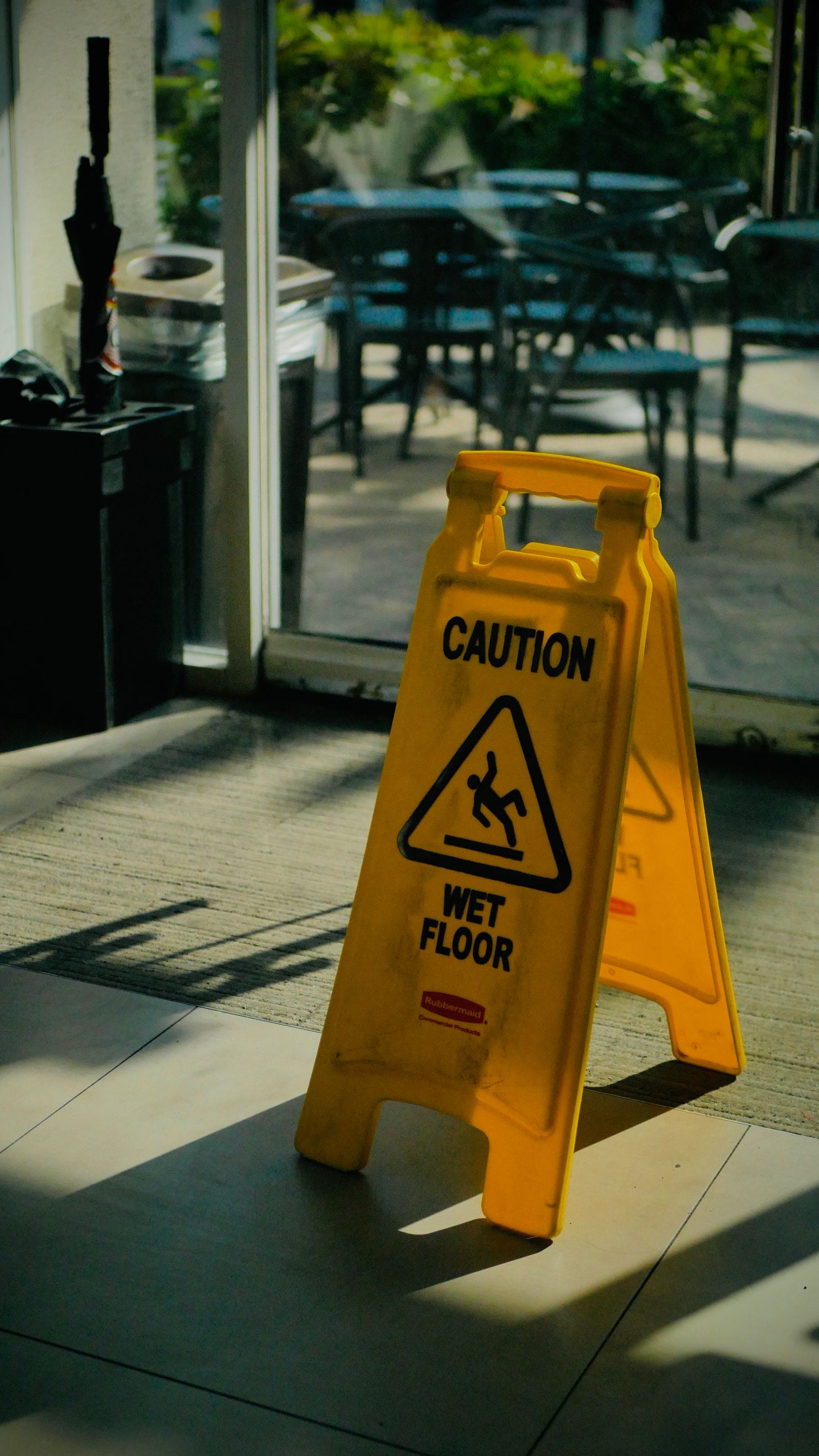
For a slip and fall, photograph the surface, surrounding lighting and any warning from your direction of travel. Record who received your report. If the condition was later cleaned or repaired, the original photographs can help establish what you encountered. Howard can review which records may explain how long the condition existed.
Newport Beach car accident lawyer for Peninsula collisions
After a crash on the Balboa Peninsula, record which street each vehicle came from and where the turn began. A driver searching for parking may slow before moving into a space, while another driver may be continuing through the same block. The question could be whether a car was pulling out, turning across traffic or already occupying the lane. Use the nearest numbered street or fixed storefront to locate the movement.
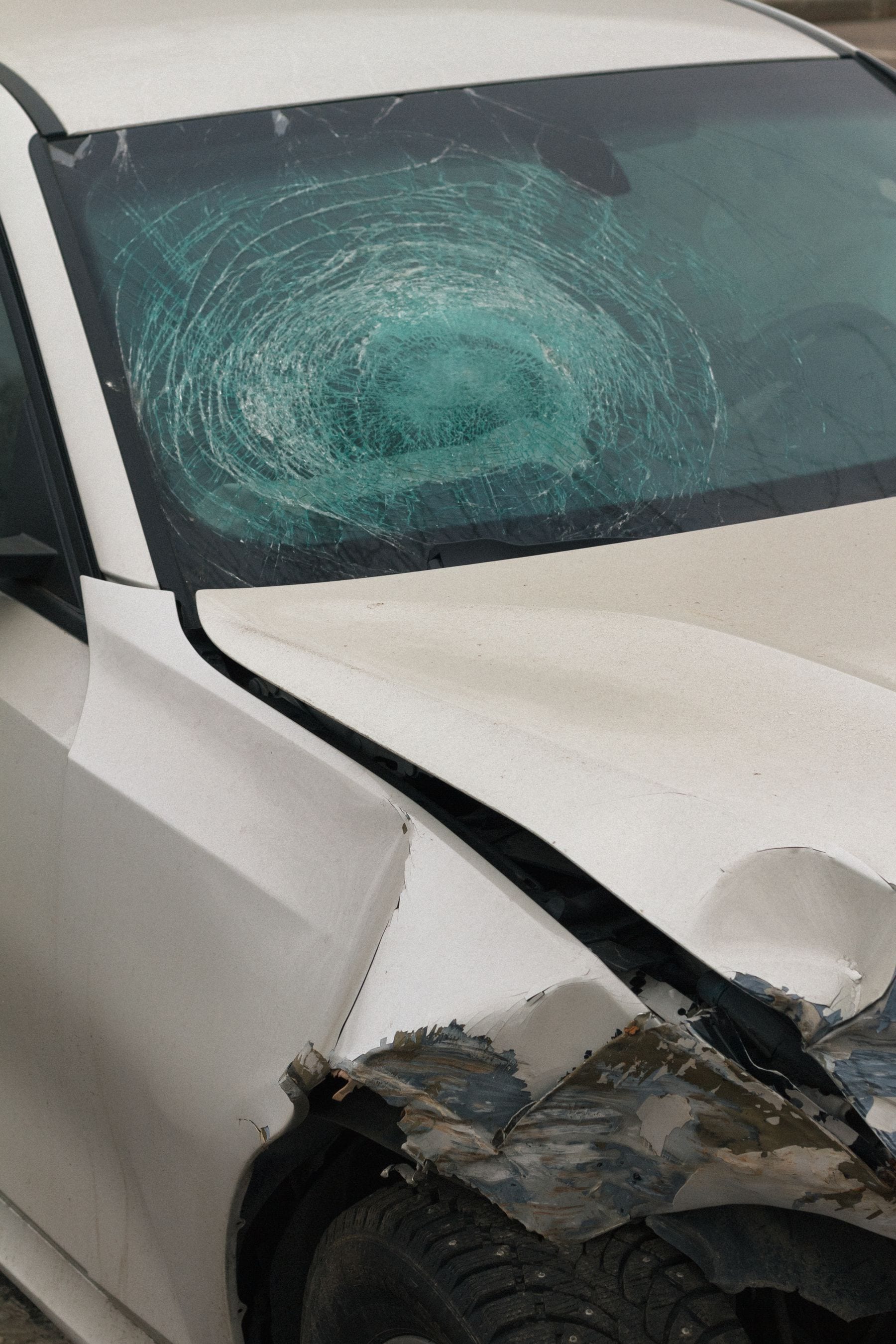
Keep the photographs showing where each vehicle was damaged and explain whether the vehicles had already been moved when you took them. If a passenger captured the scene from the opposite side of the road, preserve that view as well. A photograph from the curb can explain what was visible between parked cars, while a wide view can show where the next intersection was.
When a witness describes the driver as coming from the direction of the pier, ask which part of the approach they actually saw. A person standing beside a parked car may have had a clear view of the impact but missed the turn that preceded it. Howard can compare those accounts with the movement visible in any recording and identify which details still need independent support.
A walk near the Balboa ferry can take you between a boarding area, a vehicle queue and ordinary street traffic. If a vehicle struck you, write down which shore you were on, where you were headed and whether you had entered the boarding area or were still on an approach. Save any ticket, payment record or message arranging the meeting. Those records may narrow the time while your scene notes identify the point of contact.
A witness waiting to board may remember when a line moved but not see what happened beyond the gate. Another may see a driver turn from the road without knowing where the pedestrian came from. Mark each observer’s position in relation to the lane and curb. Distinguish the point where you first encountered the vehicle from where you later received assistance.
The investigation may need to look at traffic movement, directions given to people waiting and who controlled the particular area. Howard can review those questions without assuming that the ferry operator managed every part of the approach. Bring any dated instruction, photo or correspondence that shows where visitors were expected to wait.
A waterfront property can include several ramps, steps and walkways between parking and a business entrance. Record the route you took and which transition was involved. If a surface looked wet or uneven, describe what you could see before stepping onto it. If you only noticed a condition after falling, record that accurately. A photo with a railing, gate or sign in view helps locate the spot.
A reservation or receipt can show why you were at the property, but the injury may have happened outside the area the business operates. Keep the name of the person who took your report and ask which incident number belongs to that record. If someone referred you to a property manager or another operator, preserve that reply without treating it as proof of responsibility.
Howard can review who used and maintained the route and whether earlier complaints, inspection records or witness accounts may explain the condition. Photographs taken after a cleanup or repair should carry their later date. They may still clarify the layout while records from the time of the injury establish what people encountered that day.
A passenger leaving a restaurant along the harbor may book a ride from the business address and then be directed to wait by a garage or side entrance. Keep the first pin and the message that changed it. If you crossed a driveway to reach the car, mark that part of the walk. A map showing the completed ride may omit how you got to the pickup point.
If you were hurt while stepping into or out of the vehicle, note which door was open and how the vehicle was positioned. Was it next to the curb, beside a parked car or on an internal property lane? A witness standing near the restaurant may have seen you approach without being able to see traffic behind the car. Give each observation its own place in the timeline.
Keep the booking confirmation with any receipt showing the time you left the property. If another person booked the ride, ask them to retain the messages from their account. Howard can use those records to establish where the pickup changed and what evidence might clarify the movement that caused the injury.
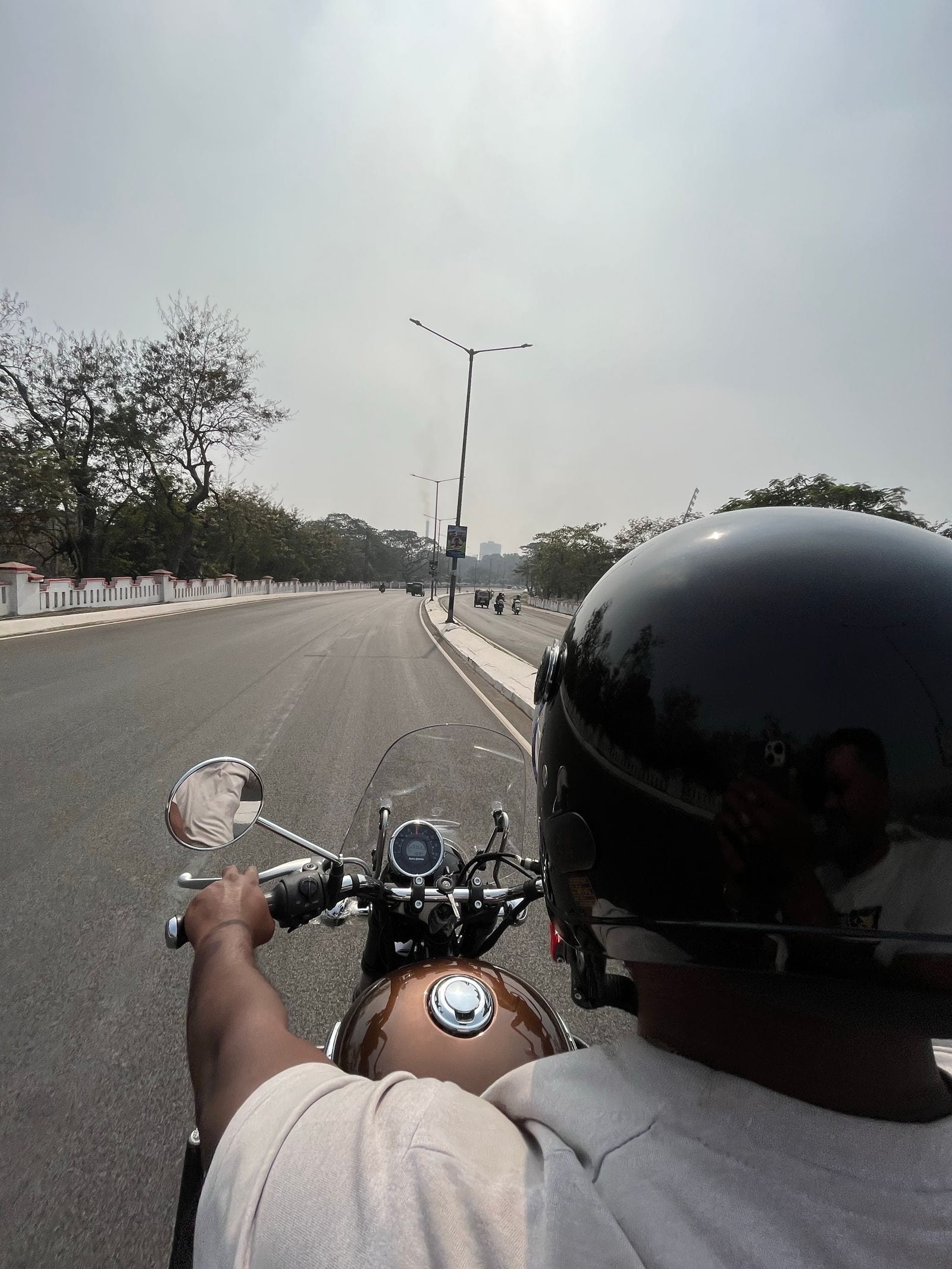
A driver entering Newport Boulevard from a side street may have to look past vehicles parked near the corner. After a motorcycle collision, note the rider’s lane and the place where the driver began turning. Mark any obstruction you remember and whether it was there when the first photographs were taken. A later clear view can explain the road layout while leaving the original sightline unresolved.
Photograph the motorcycle before repairs if possible, and keep any damaged equipment or available recordings. The location of damage can help explain where the vehicles touched. It does not by itself establish when the driver first had a view of the rider. Howard can compare the physical evidence with the timing and what each observer could see.
If the injury changed your ability to grip tools, carry supplies or travel to work, keep the actual job duties alongside the provider’s restrictions. Returning to selected tasks may leave other duties unavailable. Describe what resumed, what changed and when, rather than relying on a single return-to-work date.
If a commercial vehicle struck you near a Newport Beach loading entrance, identify where it was turning or reversing. A waterfront address may contain several service doors and a separate visitor entrance. Note which one the driver was trying to reach and whether another person appeared to be directing the movement. Preserve any delivery or parking instructions you received.
A business name on the vehicle can help identify a contact. Keep the plate and fleet number too, because different vehicles may carry the same markings. A staff member receiving the delivery may know the planned arrival time while a person outside saw the actual maneuver. Record what each person observed and where they were.
Howard can consider who directed the trip, who operated the vehicle and what access arrangements applied at the scene. Those questions can lead to different records. A delivery schedule may locate the trip while scene photographs can show a narrow approach or a blocked sightline. Keep the documents in their original form so they can be compared with other evidence.
Use the section links to go straight to the records, recovery questions or decisions you want to understand.
Describe where the road meets the property
For a crash near a Newport Beach shopping or hotel entrance, identify whether the vehicle was turning from the road, leaving a garage or moving within a parking lane. Record the entrance and direction of travel. A photograph taken from your approach can show sightlines that are lost in a close-up of vehicle damage.
If the incident happened while visiting a waterfront business, save the address, receipt and time of arrival. Note the walkway or loading area you used. Howard can work from those landmarks to identify the relevant property contact and the sequence leading to the injury.
Request the collision report using the incident reference
If Newport Beach Police investigated, use the department’s records request guidance. The department separates incident reports from traffic collision reports and provides different instructions depending on whether you are an involved party or an authorized representative. Have the case or event number available. Check the current instructions before submitting identification or payment.
For a collision near a parking entrance, compare the location in the report with the route you remember. A business address can identify a parcel while leaving the approach lane or internal driveway unclear. Keep a separate sketch marking where the vehicles made contact and where they stopped. If someone moved a vehicle before the first photograph, note that change.
If the incident also produced a property or ferry-area record, keep its reference separate from the police number. A property employee may document the time staff learned about an injury. An investigating officer may gather statements about the collision itself. Howard can compare the records and identify which unanswered question calls for further investigation.
Confirm the investigating agency from the incident receipt before requesting a collision report. Newport Beach Police maintains official service information. Bring the report number, exact date and location so the correct record can be identified.
For an injury on business property, retain the incident report number separately from medical or police records. Note the name of the business and any property manager identified. A hotel reservation or store receipt can establish your visit while photographs and witness accounts describe the event itself.
If you received initial care locally and follow-up treatment elsewhere, keep the discharge instructions and later records in date order. Record when symptoms were reported and which provider recommended restrictions. This helps explain the continuity between the incident and later care.
Bring examples of how the injury affected work and everyday tasks. A shortened shift, missed appointment or need for assistance should have a date and a concrete description. Howard can discuss which additional records would help evaluate financial losses and ongoing limitations before you decide how to proceed.
Identify which part of a Newport Harbor route was involved
A visit to Newport Harbor can begin at a public parking area, pass through a walkway managed by another organization and end at a dock or boarding point. If you were hurt before reaching the water, record the last gate, sign or numbered slip you passed. A booking confirmation can identify the destination, while a description of the approach helps identify where the injury happened. If there were several docks at the same address, write down the one you were directed to use.
Newport Beach describes its Harbor Department and the Orange County Sheriff’s Harbor Patrol as having different roles. The city manages its guest marina at Marina Park, while the Sheriff’s Harbor Patrol handles emergency and law enforcement services in the harbor. If someone responded to your incident, record their agency and any reference number. The identity of a responding agency does not by itself establish who controlled the surface, gate or vehicle involved.
A witness already on a dock may have seen someone arrive after missing the preceding movement on the ramp. A person waiting farther up the path may recall a warning or obstruction without seeing the point of contact. Keep these observations tied to where each witness stood. Howard can use the physical layout and available records to identify what each account can help establish.
If a sign sent visitors along a temporary path, save the instructions with their date. A later photograph can show where the permanent gate is located but may not show what was open that day. Distinguish the ordinary entrance from the route you actually followed, including any change made while you were waiting.
Reconstruct a collision between a Newport Beach garage and the street
A driver exiting a Newport Center garage might stop at a payment gate, cross a pedestrian route and then wait again for traffic on the public road. If two people describe the collision as happening at the exit, they may mean different points along that sequence. Mark the gate, ramp and curb on a simple sketch. Add where each vehicle first became visible and where contact occurred.
If a camera faced the payment gate, it might show when the vehicle entered the ramp without showing the final turn. A dashcam can show what the driver encountered on the street while missing what happened inside the garage. Keep each recording with its source and time range. If the clocks differ, preserve the original timestamps and identify any independent receipt or message that helps compare them.
A witness may have heard a horn from inside the structure and looked up only afterward. Record when they first saw the vehicles and whether they could identify the lane each had used. The observation can still be useful for establishing where the cars ended up. Howard can compare it with records that show earlier movements without assuming the witness saw the entire event.
Document interrupted work after a Newport Beach injury
If your schedule changes with reservations, weekend business or client appointments, bring enough records to explain what a normal period looked like. Compare accepted shifts with the shifts you worked after the incident. Mark whether work was canceled, transferred to someone else or postponed. A later booking may replace some earnings while leaving other work unavailable.
For a person who returned with restrictions, record the duties that changed. Someone at a waterfront business might handle reservations while being unable to carry supplies along the access route. Someone who normally visits clients at several sites might complete office tasks without making those trips. Keep the original assignment and the revised duties alongside the provider’s written instructions.
Howard can review what the records show about earnings already lost and what remains uncertain about future work. Bring dates when your restrictions changed and identify tasks you could resume. A schedule, payroll statement and medical note describe different parts of the same period. Keeping them together helps explain the change without assuming every difference in income resulted from the injury.
Track care and practical changes when treatment moves away from Newport Beach
A visitor may receive an initial assessment in Orange County and continue treatment after returning home. Keep the discharge instructions and referrals with the date you left. If a new provider repeated an assessment or requested earlier imaging, save the corresponding message. It can help identify which records are missing and how the next appointment relates to the first visit.
Describe what happened when you tried to return to an ordinary task. You might manage a short walk on the day of the visit but later find a usual commute or work assignment difficult. Explain when you first noticed the change, which provider you told and whether the restriction improved. Dates and specific activities give the case review more context than a general description of discomfort.
For help from friends or relatives, note the task and period. If someone drove you to a follow-up visit or took over an errand you ordinarily handled, distinguish the assistance from any amount paid. Keep receipts for actual expenses alongside the dates and purpose. Howard can review those practical effects with the treatment record.
Use the parking record to locate your walk around Balboa Pier
The city lists the Balboa Pier lot at Palm Street and Balboa Boulevard. If you parked there before an injury, keep the payment record and check what it identifies. A parking zone can narrow where your visit began, while a photo or map can show the exit and direction you took. Neither establishes where you fell or were struck unless you connect it to the actual route.
If you were walking from the lot toward the pier or a boat departure, mark the last fixed feature you passed. Note whether you were still inside the parking area, at an exit or crossing a street. A group member may have a photo that shows where you were just before the injury. Preserve the original and ask when it was taken rather than relying on the time it appeared in a message.
When a parked vehicle, delivery or temporary closure changed how you walked, record the change separately from the usual route. Howard can compare your account with the property boundaries and any available report. That can help determine whose records might clarify the condition or vehicle movement involved.
Review timing early when public property may be involved
A fall near a pier, a parking exit or an access ramp can raise questions about who maintained the particular spot. A city lot may sit next to a private business, and a private operator may use a public facility. Preserve any signs, receipts or correspondence that identify the area or an operator. Keep an incident reference separately from any later notice you received.
California Courts explains that claims against government agencies can have different procedures and shorter deadlines. If a city facility, public vehicle or other agency may be involved, identify it early when you speak with Howard. Bring the incident date and any dated notices. A request for a police or property report is a separate step from presenting a legal claim.
Gather the first records after a fatal Newport Beach accident
Family members may receive a report number from one organization and a location or witness name from another. Write down who provided each detail and when. If the event took place near a harbor approach, identify the dock, street or facility if known. That can help distinguish records held by a property operator from those held by a responding agency.
The first discussion can address who may be able to pursue a claim and which facts remain uncertain. Bring what you have. If the person provided regular household help, income or care for others, note the responsibilities and who depended on them. Those details can be documented over time as the family receives further information.
What to bring to a Newport Beach injury consultation
What if I remember the pier but not the street?
Bring photographs, parking records or the route you took from the car. Identify whether you were on a sidewalk, inside a lot or approaching a boarding point. A fixed sign or entrance visible in a photograph may help place the scene.
What if the garage and the police each gave me a number?
Keep both and label who issued them. The garage may have a security record even when police investigated the street collision separately. Tell Howard what you requested and what is still pending.
Can I discuss the injury after going home?
Yes. Give the Newport Beach location and date, then describe where you received care and what changed after you returned. Bring the first discharge instructions and any later restrictions. You can start with the available records while providers gather the rest.
Where is the consultation?
Howard serves Newport Beach from the Buena Park office. Call to arrange a free initial consultation. Start with the decision you need help making, whether that is finding a report, identifying who controlled a route or documenting a change in work or treatment.
Serving Newport Beach from Buena Park.
6301 Beach Blvd, Suite 216 Buena Park, CA 90621
Speak with Howard Choi about your accident, the treatment so far and what you need help understanding. No fee unless there is a recovery.


 01 / Car accidents