Injured in Los Angeles and unsure where to begin? Talk with Howard Choi about the accident, the care you are receiving and the work or routines it has interrupted. Serving Los Angeles from Buena Park. No fee unless there is a recovery.
One accident can interrupt a life spread across the city.
Your accident, your home, your job and your medical appointments may all be in different parts of Los Angeles. Explaining what happened can become another task on top of getting through the week. Howard can help you put the sequence together and understand what needs attention first, whether the immediate concern is a disputed turn, a work restriction or a report that has not arrived.
The starting point is your experience, not the size of the file you bring. A conversation can identify the decisions ahead and what representation would involve. For a downtown crossing, a rideshare pickup or a fall inside a shared building, Howard can examine the details that make your situation different. The firm serves Los Angeles from its Buena Park office; call to arrange a free consultation.
Know what each stage is for, what you can bring and which decisions deserve a conversation.
01
Tell your story
Start with the accident, your treatment and the questions on your mind. A free consultation helps identify what needs closer attention.
02
Build the record
If the firm takes your case, the investigation connects evidence about the accident with medical records, insurance coverage and documented losses.
03
Consider your options
Review an offer in the context of your injuries and the evidence. Discuss negotiation, remaining questions or litigation before deciding how to proceed.
When an injury interrupts shifts, assignments and project work
For someone working across Los Angeles, a single employer name may leave out the schedule that was interrupted. A worker might cover different buildings, drive a route with several stops or take assignments at different production sites. Identify the duties at each location and which ones changed after the injury. Keep booking confirmations, schedules or dispatch messages alongside the written restriction.
If a project continued without you, record whether the work was canceled, reassigned or completed by you on another date. A booking that moved by a week differs from one you could no longer accept. For independent work, invoices and payment records can help show what was actually earned. Keep records from comparable periods before the accident so ordinary fluctuations can be separated from a specific disruption.
Returning to one site may still leave other assignments inaccessible. Someone who can work at a nearby desk might still be unable to move equipment between sites or sustain a longer drive. Ask the employer to document any change in assignments or hours. If you arranged the work yourself, preserve the messages and records that show what you took on and what was declined.
At a consultation, Howard can use his accounting background to review how the financial records fit with the work history. Bring both the usual duties and the revised ones. A paycheck records what was paid, while a schedule and the provider’s restrictions can help explain why it changed.
Los Angeles injury representation
Start with what happened to you.
Find the situation closest to yours. See what Howard can investigate, what you can bring, and where to read more.
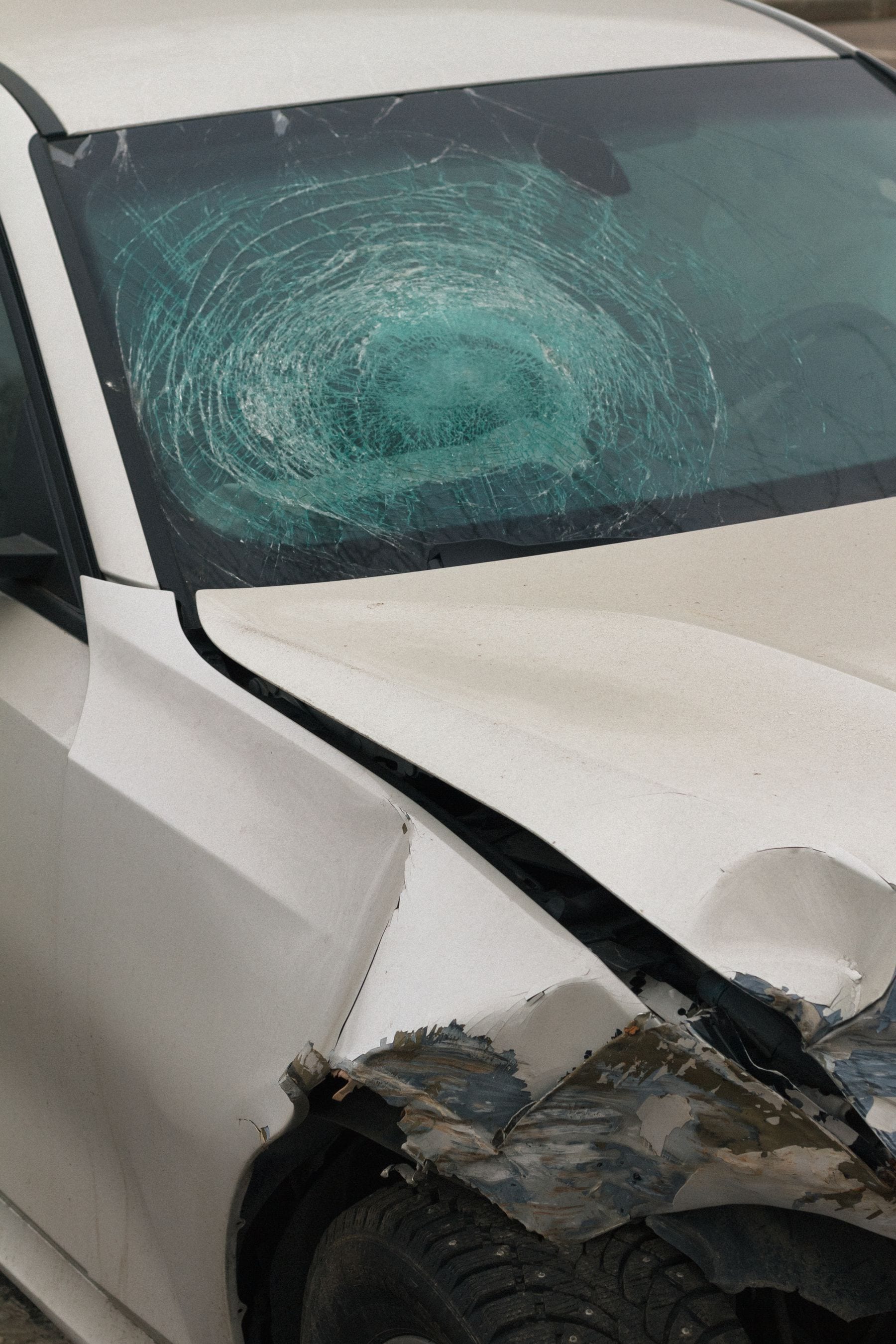
Car accidents, pickups and commercial deliveries
A disputed lane change in Los Angeles may depend on the relative movement of several vehicles. Preserve the complete available recording, including the approach. A short clip of the impact may omit the maneuver that explains it. Note which vehicle each witness could actually see.
For a pickup outside a building, save the agreed location and any change sent through the app. For a delivery crash, photograph company markings and note whether the driver was entering a loading area or continuing through traffic. Howard can examine who directed the movement and which records could clarify a disputed account.
Los Angeles car accident lawyer for freeway and street collisions
A crash described as happening near the 101 or the 10 can involve a freeway lane, an exit queue or a turning movement onto a city street. Write down the direction you were driving, the last sign you passed and where you first saw the other vehicle. If the vehicles moved to a side street afterward, mark that as a separate location. An address on a tow record may refer to where the vehicle was collected.
When traffic backs up through a signal, identify whether the disputed movement was a turn, a merge or a vehicle crossing into an occupied lane. A recording of the last few seconds may show contact without showing how the queue formed. Preserve the available approach footage and note whether the camera clock was correct. Howard can compare the timing and positions with the accounts in the report.
For a crash involving more than two vehicles, tell the office how many impacts you remember and in what order. A passenger may remember only one while a driver sees another vehicle approaching in the mirror. Keep each account in the speaker’s own words and identify where they were sitting or standing.
A downtown pickup can shift across a street or to another entrance when the curb is crowded. Save the app’s original pin and any message directing you elsewhere. Then mark where the vehicle actually stopped. If you were struck before reaching the car, describe the walking route and where you stepped into the roadway. The booked destination is less useful than the real location and time of the movement.
If you were injured while boarding or getting out, note which door you used, whether the car was stopped and what you saw the driver or another vehicle do. A person in the back seat may see the curb but miss traffic coming from behind. Howard can compare the trip record with what witnesses observed and determine what additional evidence may clarify the sequence.
When another person booked the ride, ask them to keep the original receipt and full conversation. Keep any venue or garage record in a separate folder labeled by source. These records can help narrow when the group left a property and distinguish a vehicle at the pickup from one merely passing through.
A walk from a Metro station to a downtown workplace may take you past a garage exit, a bus stop and a signalized crossing within one block. Record which part of the route you had reached when you were struck. An intersection name may still leave four corners and several turning paths to distinguish. Identify the curb you left, the direction you were walking and the direction the vehicle approached.
If a bus, delivery vehicle or queue obstructed the view, note whether it was stopped or moving. A witness at the far corner may see the vehicle complete its turn without seeing when you stepped from the curb. A passenger inside a stopped vehicle may have the reverse view. Record where each witness stood or sat so Howard can match their observations to the correct part of the crossing.
If you remember a walk indication or countdown, identify which signal you were facing and when you looked. A photograph taken after the collision can help explain the location of the signals but cannot show what they displayed earlier. Preserve recordings in their original form, including the time before the impact. If a business camera faced the entrance rather than the intersection, it may still help establish when you left the property.
The recovery record should explain the trips that changed. Someone who could previously walk from the station to work may need a ride for the last part of the journey or take a different route to avoid stairs. Note when the change started and what restriction or practical difficulty led to it. Keep any related receipts with the dates of appointments and work adjustments.
Los Angeles truck accident lawyer for delivery and loading crashes
A delivery vehicle may leave an arterial road, cross a sidewalk and reverse into a service entrance. If you were injured during that maneuver, note whether the truck was in the public lane, across the sidewalk or within the property. Record the entrance and whether anyone was directing traffic. A building address can identify the delivery destination without locating the part of the maneuver where contact occurred.
Keep the plate and fleet information you can safely capture. If a tractor and trailer were involved, record each identifier separately. Save any delivery message or access instructions you received. A company name on the door may identify an operator to contact, while a delivery appointment may identify the business receiving the goods. Howard can review which records might establish who controlled the vehicle or the loading area.
An observer inside a loading dock may know when the truck was expected without seeing the movement outside. A pedestrian on the sidewalk might have seen the turn but missed a signal from a worker. Preserve each observation as described and note the observer’s location. This can help distinguish the driver’s movements from the instructions and conditions surrounding them.
If a vehicle continued after the incident, write down its direction and any partial identification without filling in missing details. Preserve the source of each fact, whether it came from your own view, another witness or a photograph. An incomplete plate and a reliable time can still give the investigation a useful starting point.
Los Angeles slip and fall lawyer for shared buildings and garages
An address on Wilshire or another commercial corridor can include a street entrance, an underground garage and a lobby shared by several businesses. After a fall, note the floor, door or ramp and the direction you were walking. Keep the parking ticket or appointment message that helps place you there. A photograph that includes a fixed sign or column can make a close-up of the condition easier to locate later.
If the issue was standing water, record whether you saw its source or only the wet surface. If a stair edge or mat was involved, note the lighting and what the condition looked like from your direction of approach. Distinguish what you saw before the fall from observations made after someone arrived to help. A condition may have changed by the time an incident report was written.
If someone at a tenant’s front desk took your name, ask whether a building manager or security service also created a record. Keep the reference numbers separately. The business you visited may have learned about the incident while another organization managed the garage or walkway. Howard can examine those roles to decide which maintenance records or witness accounts could explain the condition.
A later photograph can still show how the space is arranged. Label its date and describe any differences you noticed, such as a replaced mat, new warning sign or reopened door. Preserve the original photos from the day if you have them. The chronology helps separate evidence of the incident from later changes to the property.
A driver turning across several lanes may see a gap in one lane without seeing a rider approaching in another. If a collision followed that movement, map the lane each vehicle used and mark any queue that limited visibility. Note where the turn began and whether it came from an intersection, driveway or parking area. Photographs taken after traffic moved can show lane geometry while leaving the original obstruction uncertain.
Preserve images of the motorcycle before repair, including the side or part that made contact. Keep any available footage that shows the rider’s approach. If a witness heard the collision and then looked up, record that sequence. A statement about what they saw afterward can be valuable without establishing how the vehicles entered the scene.
For a rider whose work involves driving, carrying equipment or using hand tools, keep the actual job duties next to any written restrictions. Being able to return for a short shift may leave other tasks out of reach. Howard can review that distinction while the investigation separately addresses what each person could see and do before contact.
Use the section links to go straight to the records, recovery questions or decisions you want to understand.
Pin down the Los Angeles scene before ordering records
Record the neighborhood, cross streets and direction of travel, then distinguish the public road from a driveway, garage or freeway ramp. A location saved in an app can help, but check whether it marks the pickup point or the actual collision. Keep the name of the responding agency with the incident number.
For a crash during a longer trip, write down the last turn or exit before impact. A passenger’s itinerary, timestamped message or parking receipt can narrow the sequence. Howard can use that chronology when comparing accounts that describe the same event using different landmarks.
Request the report from the agency that investigated
Start with the agency name and report number on the card or notice you received. A Los Angeles mailing address can describe a place served by another agency. If LAPD investigated, check its collision-report instructions for eligibility and which request method applies. Some categories, including fatal collisions, are handled through mail rather than the online channel. If CHP investigated, use CHP’s separate report request process.
When submitting a request, identify the location, date and your role. If you only have an incident number, include it and preserve the request confirmation. Compare the completed report with the exact scene you remember. A report may identify the intersection while leaving the driveway or direction of travel unclear. Bring your photographs and a separate sketch to help Howard evaluate any difference.
Match the report request to the investigating agency
LAPD provides a traffic-collision report channel, but not every incident within Los Angeles County is an LAPD investigation. Confirm the agency from the card or receipt supplied at the scene. If CHP responded, use its report instructions. Keep a copy of any request and the details entered.
For a fall in a building or garage, document the floor, entrance and precise condition. Record the management or security contact if available. A photograph of a doorway sign can help connect an incident record to the correct property when the building has multiple businesses or entrances.
An injured person may receive emergency care near the collision and follow-up treatment closer to home or work. Organize the visits by date and provider. Keep discharge instructions, referrals and written restrictions together so the transition between providers is easier to follow.
At consultation, describe how the injury affected the actual commute and job duties. Save changes to shifts or leave, and distinguish time spent obtaining care from restrictions on performing work. Howard can discuss which records are needed to understand those losses and the next steps in evaluating the case.
Build a treatment timeline when care takes place across Los Angeles
A patient may leave the scene in one part of Los Angeles, receive an emergency evaluation elsewhere and return to a clinician near home. If you have records from those visits, put them in date order and identify the facility that produced each one. An imaging report and the notes from a follow-up appointment may be held separately. Keep the referral or discharge instructions that connect one visit to the next.
If you receive a new restriction after trying to return to normal activity, note what prompted the later visit. Someone with a shoulder injury may manage a short errand but struggle to carry equipment at work. A person with a head injury may notice trouble following a familiar sequence while commuting or working. Describe the task and tell the treating provider what changed. Keep the provider’s assessment alongside those observations.
Retain revisions to a treatment plan rather than replacing older records with the newest one. A referral may lead to an evaluation, a changed recommendation or a plan that is still under discussion. Howard can review which care took place, which limitations are documented and what evidence would help explain ongoing needs. If a date or duration is uncertain, identify it as such.
A relative may help with transport, meals or recurring tasks during the early part of recovery. Record what assistance was actually provided and when it stopped or changed. This can show how the injury affected ordinary life while distinguishing practical observations from medical conclusions.
A change in transportation after an injury can produce expenses spread across several apps or accounts. If you paid for a ride to treatment or had to replace an ordinary trip because of a restriction, record the date, purpose and actual payment. Keep refunds and reimbursements with the original receipt. A confirmation email and bank entry can show the same transaction.
When treatment statements arrive at different times, group them by provider and date of service. Keep any revised statement with the earlier version so it is clear whether it adds a service or updates an existing balance. If you do not know what a charge represents, flag it for review. Howard can discuss which expenses are supported and what information is still needed.
Some consequences are easier to explain through a regular routine than through a total. Someone who used to walk to a station may now rely on a ride or avoid a transfer involving stairs. A parent might still make the school trip but need help carrying items or managing an additional stop. Record when the change began, whether it occurred every day and when it improved.
Bring your notes alongside medical and employment records. They serve different purposes. A receipt can show the cost of a trip. A provider can describe restrictions. A person familiar with your routine may explain how it changed. Together they give the case review a more complete account of the effect on you.
Bring the key Los Angeles scene and recovery details to Howard
Start with the decision you are facing. You may be unsure whether a building or law enforcement agency holds the record, whether a witness saw the disputed turn or how to explain a new work restriction. Bring the record that prompted the question. A short list of unresolved points can help focus the first conversation.
Use the exact scene rather than the neighborhood name alone. Include the nearest cross streets, the entrance or ramp, and the direction you traveled. If you only have a photo or message with a timestamp, share what it shows and what you still need to confirm. If more than one person gave you information, label each source separately.
You can call while records are still pending. Bring the request confirmation and any notice you received, with their dates. Howard can discuss what needs attention first and which documents can follow. The firm serves Los Angeles from its Buena Park office, where you can arrange a free initial consultation.
Preserve partial identifiers after a Los Angeles hit-and-run
If someone is hurt or there is an emergency, call 911. Once you are safe, write down the direction the vehicle went and the last point where you saw it. On a Los Angeles block with multiple driveways, it helps to know whether the driver continued through the intersection or entered a parking structure. Record partial plate characters, vehicle color and visible damage as you remember them. Mark any uncertainty rather than trying to complete a plate from memory.
Ask witnesses to preserve their own recollection independently. One person might have seen the departure while another recorded the approach. A business camera facing the exit may show identifying details even if the collision happened outside its view. Note the camera and the approximate time. If you received a recording, keep the original and the message that identifies who sent it.
When you speak with Howard, bring the report reference and a list of the sources you have identified. A clear timeline can narrow a search even if the available description is incomplete. Record any later update from police separately so the office can tell which details were known at the time and which were learned afterward.
Identify who controlled the Los Angeles property before assuming a deadline
A collision beside a transit stop or a fall near a street project may involve a public agency, a private contractor or more than one organization. Mark the exact spot and note any project signs, vehicle numbers or barriers. A contractor name on a notice can identify a lead without proving who controlled the area. If a detour directed you onto another route, preserve the sign and record where the injury occurred along that route.
California Courts explains that claims against government agencies generally require a claim to the agency before a lawsuit, and that the applicable deadlines can be shorter than for other personal injury matters. If you think a public vehicle, public property or road project was involved, tell Howard early. Bring the incident date and copies of any notices you received, including the date they were sent or delivered.
A service request about a damaged sidewalk or a police report about a collision serves a different purpose from presenting a legal claim. Keep each reference number with its own description. If you are waiting for a reply, mention that at the consultation so the timing can be reviewed while the facts are still being gathered.
Organize the first records after a fatal Los Angeles crash
Family members may receive information from different agencies, hospitals or witnesses. Put the agency name and reference number beside each document. If you have only a preliminary description, label it that way. Keep the original correspondence and record who received it. That can help the first consultation identify which records are still needed and who can request them.
A conversation about a wrongful death claim may cover who can pursue it, what is known about the collision and how the person supported others. Bring the information you already have. If a relative handled regular childcare, transportation or household responsibilities, describe the tasks as well as any financial support. Those details can be gathered over time while the investigation addresses the circumstances of the collision.
Common questions about bringing a Los Angeles injury case to Howard
Can I call if I am unsure whether LAPD or CHP investigated?
Yes. Bring the date, route, direction and any agency card you received. A saved location or tow receipt can narrow the search. Explain which address describes the impact and which describes a later stop.
What if my injury happened inside a garage with a Los Angeles address?
Give the level, exit and nearby sign, and tell Howard whether the property provided an incident reference. A precise description can help identify which operator or records desk to contact.
What if I live elsewhere and received treatment after leaving Los Angeles?
Bring the first evaluation and later records in date order. Note when you traveled and which provider first gave you work or activity restrictions. You can begin the consultation before all providers have sent their records.
Serving Los Angeles from Buena Park.
6301 Beach Blvd, Suite 216 Buena Park, CA 90621
Speak with Howard Choi about your accident, the treatment so far and what you need help understanding. No fee unless there is a recovery.


 01 / Car accidents