An accident in Irvine can change your commute, your work and the way you get through a normal day. Talk with Howard Choi about your injury and the decisions ahead. Serving Irvine from Buena Park, with no fee unless there is a recovery.
Help with the accident. Room to focus on your recovery.
You may be trying to get back to work while appointments, missed calls and unanswered questions keep piling up. You can speak with Howard before every report has arrived or the full course of treatment is clear. The first conversation starts with what happened in Irvine, what has changed for you and which decision needs attention now.
An office-driveway collision near Jamboree Road, a fall between a garage and a lobby, and an injury during a rideshare pickup each need a different investigation. Howard can help connect the event with its effects on your life, identify the questions that need evidence and explain what pursuing a claim would involve. Bring what you have; you do not need to assemble a complete case before asking for help.
Know what each stage is for, what you can bring and which decisions deserve a conversation.
01
Tell your story
Start with the accident, your treatment and the questions on your mind. A free consultation helps identify what needs closer attention.
02
Build the record
If the firm takes your case, the investigation connects evidence about the accident with medical records, insurance coverage and documented losses.
03
Consider your options
Review an offer in the context of your injuries and the evidence. Discuss negotiation, remaining questions or litigation before deciding how to proceed.
When returning to an Irvine job does not mean full recovery
Someone with a desk-based job may resume work while struggling with sustained concentration, commuting or sitting. Keep medical restrictions and changes to hours or duties together. Note what changed after trying the normal workday, with concrete examples and dates.
A claim review should connect those limitations to the treatment record and documented earnings. Bring the job description, leave records and any revised work arrangement to Howard’s consultation. He can discuss what further records would help distinguish an immediate absence from a longer effect on work.
Find the situation closest to yours. See what Howard can investigate, what you can bring, and where to read more.
A different investigation for each kind of accident
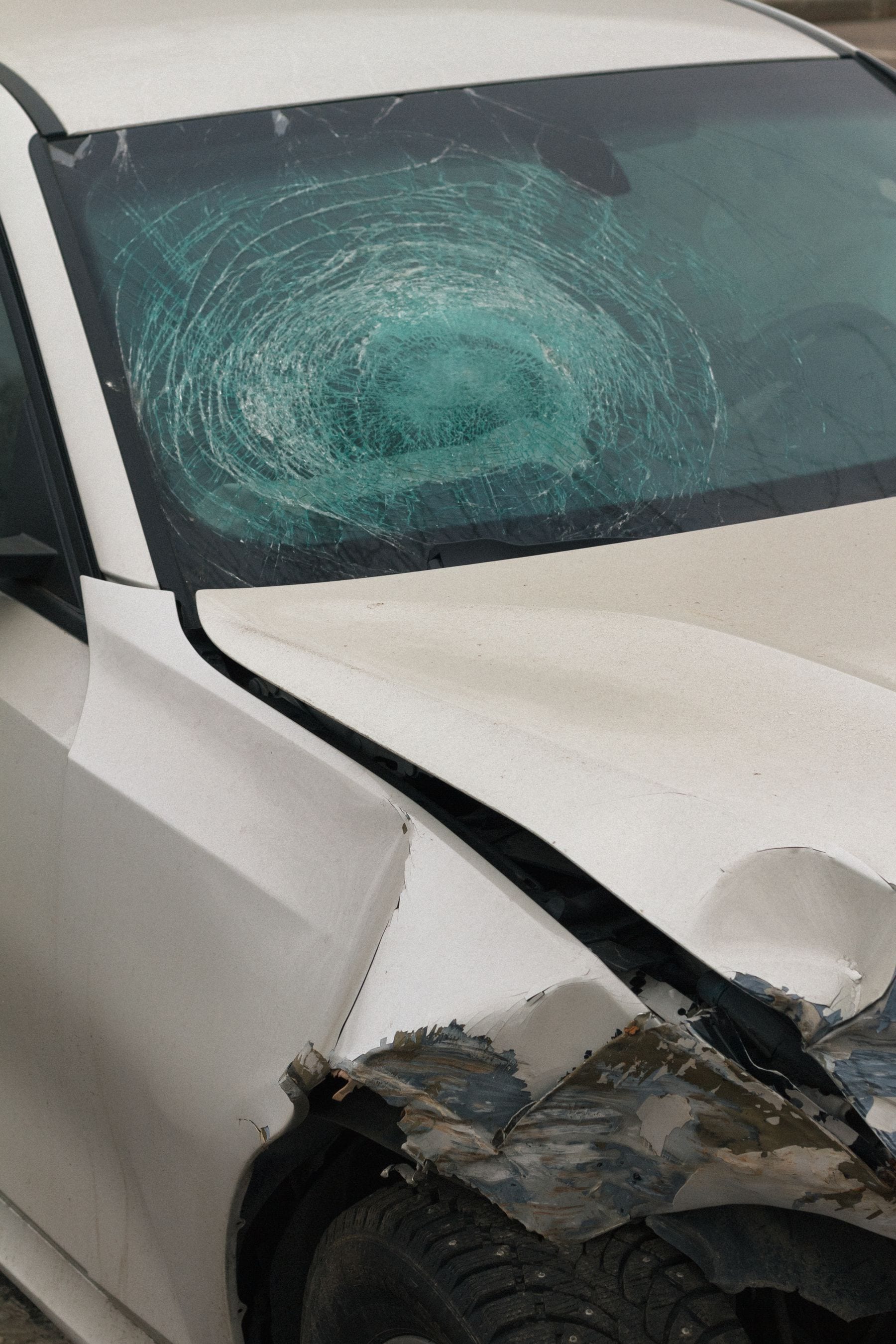
An Irvine car accident involving a lane change calls for a different review from a pedestrian collision at an office entrance. The lane-change account may depend on vehicle positions and visible damage. For a person crossing a driveway, sightlines, the walking route and the driver’s turn become central questions.
If an Uber or Lyft pickup moved from one entrance to another, retain the app messages and actual boarding point. For a motorcycle crash, preserve photographs of both approaches and the motorcycle before repairs. Howard can examine which records support each account and which questions remain unresolved.
Irvine car accident lawyer for intersection and driveway crashes
A crash near Jamboree Road can begin on an office driveway and end in a travel lane. If that happened to you, sketch the point where each vehicle first entered the other driver’s path. Add the nearest driveway and any median opening. A pin dropped at the office address may identify the destination while missing the part of the road where the vehicles first made contact.
Consider a driver exiting a campus who says traffic in the nearest lane stopped to let them through. A second driver may have been traveling in the next lane, outside the first driver’s view. A photograph of the queued lane can explain an obstruction, but it cannot establish what happened in the adjoining lane. Howard can compare the approaches, impact points, and what each witness could see before deciding which part of the sequence still needs support.
A dashcam clip beginning at impact can leave out the turn or signal change that matters most. Save the longest available original recording, including the time before the impact. If you later make a short copy to explain the event, keep it alongside the original and note what you removed. For a security camera, record the entrance it faced so a request can identify the correct view.
Irvine pedestrian accident lawyer for crossings and parking exits
Someone walking from a parking structure toward an Irvine Spectrum storefront may cross a ramp exit or internal drive before reaching a public sidewalk. If a vehicle strikes you, identify which part of that route you had reached. Write down the garage level or exit, the direction you were walking, and whether a column, parked vehicle or landscaping blocked the view.
Document the driver’s approach as well as your own where you can do so safely. A photo taken from the pedestrian side might show a marked path that is difficult for a driver to see on a downhill ramp. A witness in a lobby may have seen the vehicle leave but missed the moment it crossed the path. Give Howard enough context to match each observation to a particular point in the sequence.
If parking staff or security took a statement, note who received it and which location they worked at. Preserve a receipt or entry ticket that helps establish when you arrived. Together, the route and timestamps can help identify the right property records without assuming that every camera or report covers the same incident.
At a large Irvine office or retail property, a pickup pin may point to one entrance while the driver asks the passenger to wait at another. Keep the original pin, changed instructions and actual boarding point. Identify whether you were already seated, approaching the car or crossing an internal lane at the time of the incident. A single trip receipt may show the booked route without showing that change.
If someone else booked the ride, ask them to preserve the messages and receipt on the booking device. Note which details you observed yourself and which came from the booking account. If security staff recorded the incident, retain the reference number and the name of the property where they worked. Howard can compare those records to narrow the time and identify the relevant entrance.
Irvine slip and fall lawyer for offices and shared properties
An office visitor may pass through a garage, an elevator lobby and an outdoor walkway before reaching the company they came to see. If you fell along that route, the company name and building address may still leave the spot unclear. Record the parking level, elevator bank and door you used. A wider photograph can show the route from the elevator to the surface, while a closer one can show the condition you encountered.
A leak on a garage ramp raises different questions from a rolled mat at a lobby door. For a leak, note whether you saw water dripping or only a wet patch. If you tripped on a mat, record its position relative to the door, whether a corner was raised and what you could see while approaching. Separate what you saw before the fall from anything you noticed later. The surface may have changed by the time someone else arrived.
If an employee took your name or called building security, write down which employer or desk they worked for. A tenant may have been the first to learn about the injury while a property manager or contractor handled the area. Howard can examine that division of responsibility and identify which inspection records, maintenance requests or witness accounts may help explain what happened.
An entry badge, appointment reminder or parking receipt can help narrow the time. A photo of the property taken on another day may still help explain the layout, as long as its date is clear. Keep those reference photos separate from any taken when the condition was present.
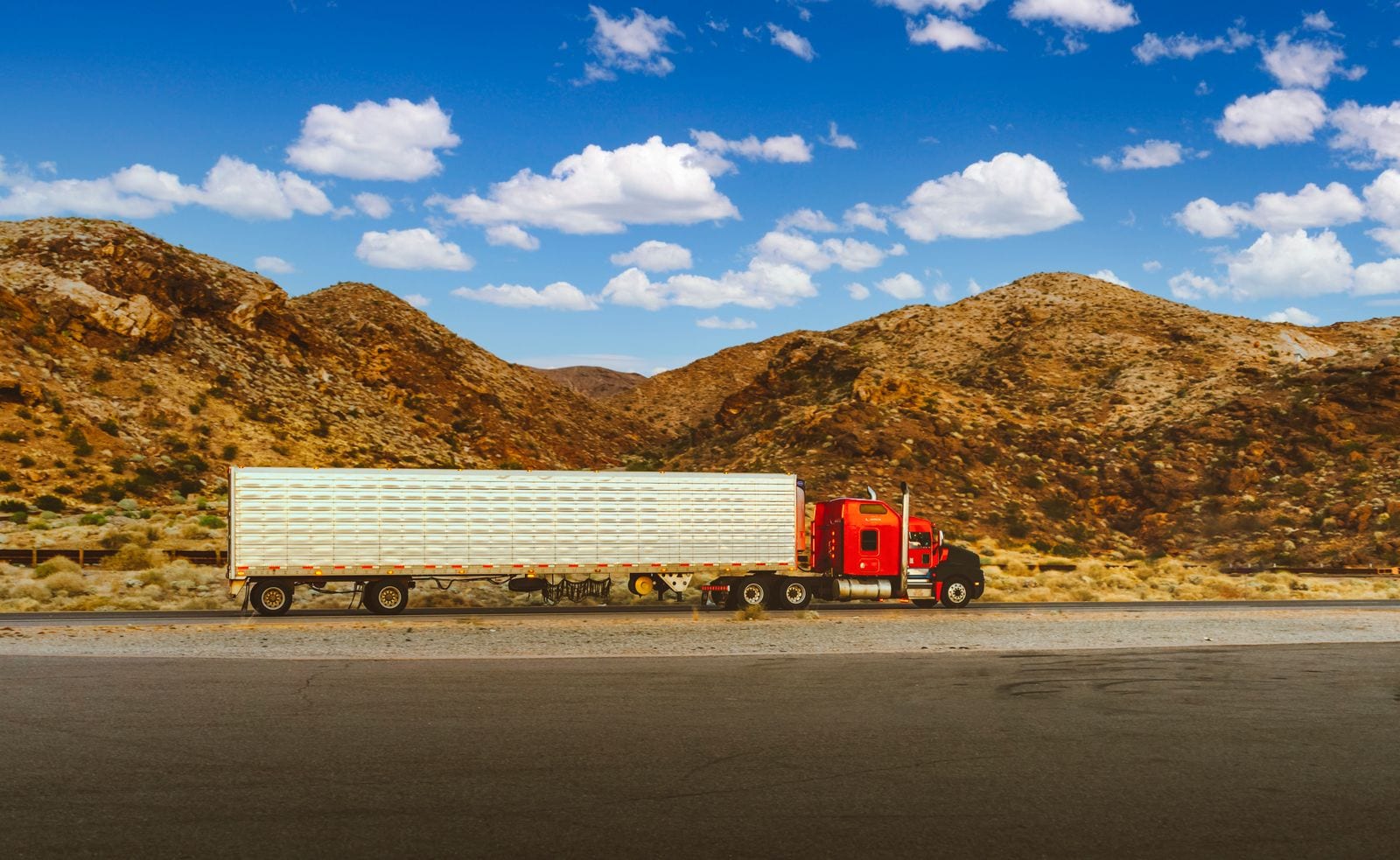
Irvine truck accident lawyer for commercial delivery crashes
A truck backing toward a service entrance may cross the path of an employee, contractor or another delivery driver. Note the loading bay number, the direction the truck faced and whether someone was guiding the maneuver. If a barrier or row of parked vehicles affected visibility, mark where it stood. A delivery address may identify the property without showing where the truck was asked to stop.
Save the vehicle identifiers you have and any instructions you received for entering the site. A business logo identifies a name worth investigating. The business receiving the goods, the company that arranged the trip and the truck owner may hold different records. A loading appointment can narrow the time while a dispatch message may help explain why the driver used a particular entrance.
If you were walking through the service area, explain how you reached it and whether signs or staff directed you there. If you were driving, separate the path of your car from the space occupied by the truck’s cab or trailer. Howard can compare those details with the damage pattern and available accounts. The investigation may need to consider the movement of the vehicle and the way the site handled people and deliveries at that moment.
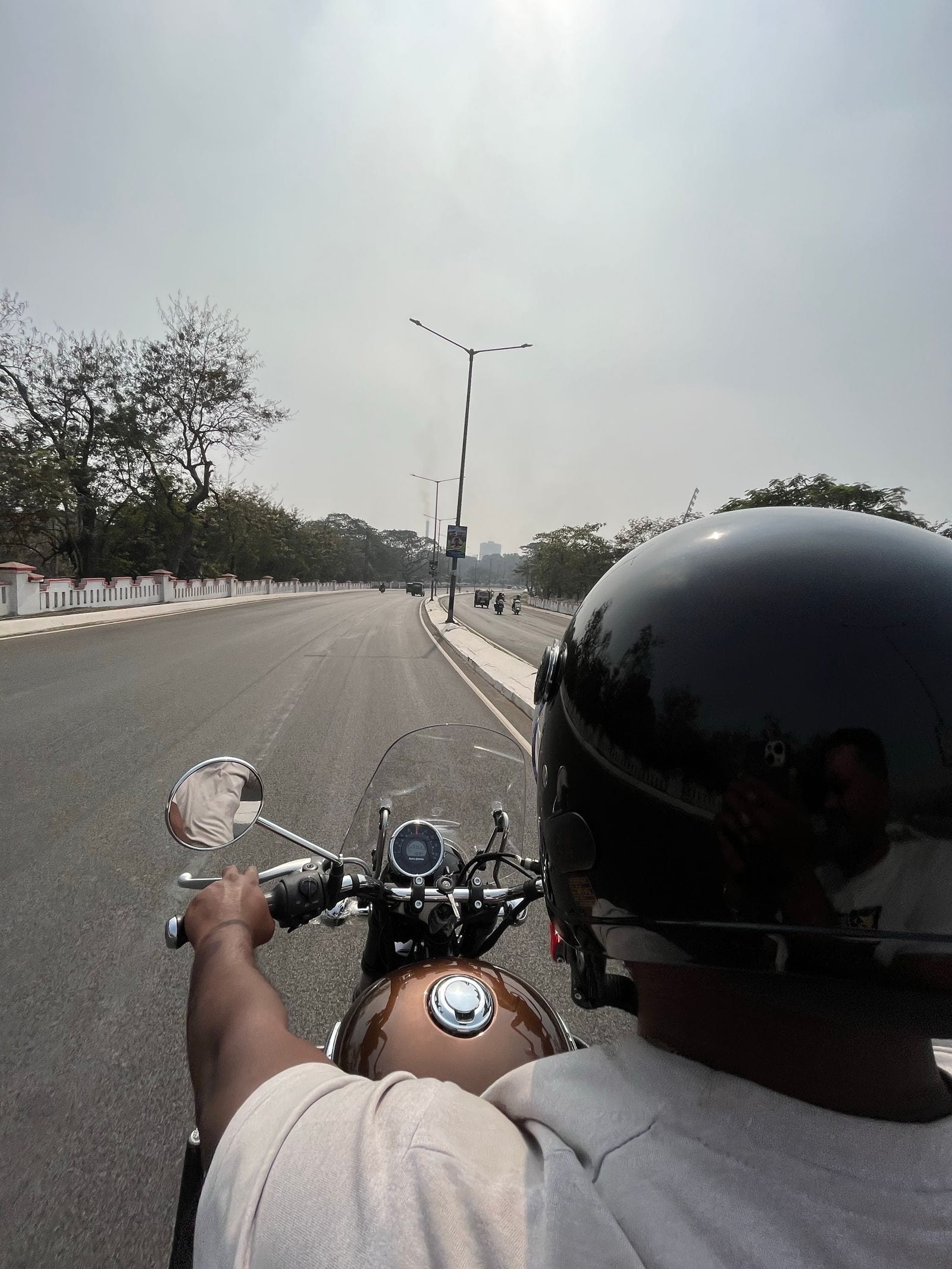
When a driver turns through a gap in traffic, a motorcyclist in a neighboring lane may be difficult for a witness to see until late in the sequence. Identify the direction of travel, which lanes were queued and whether the turn began from a driveway or a marked turn pocket. If traffic later cleared, label any photographs taken afterward so they can be used to explain the layout without misrepresenting the earlier view.
Keep repair estimates and photographs of the motorcycle before it is repaired. If equipment was damaged, preserve it and record where the marks appeared. A witness who saw the driver start turning may help establish timing even if they could not see the motorcycle’s entire approach. Howard can compare these different observations without treating a single witness or damage photograph as a complete account.
Use the section links to go straight to the records, recovery questions or decisions you want to understand.
Describe the route through an Irvine intersection
At a junction on Jamboree Road or Culver Drive, the street names may identify a large area without showing which movement caused the collision. Record the approach, lane, turn direction and point of impact. If vehicles moved before photographs were taken, explain where they originally stopped. Keep any dash-camera recording in its original form.
For a crash near an office driveway, note whether the turning vehicle was leaving a private property or entering a public lane. A visitor’s check-in message, parking receipt or meeting time may help establish the sequence. Howard can compare those details with the accounts given by the drivers.
Keep property records separate from the road report
Confirm whether Irvine Police, CHP or another agency responded before requesting a collision report. Bring the incident number, date and exact scene. A building-security report may document an injury on a property even when it does not contain a road-collision investigation.
For a fall in an office lobby or parking structure, record the level, entrance and route you used. Photograph lighting, warning signs and the condition from your direction of travel. Identify the property manager if known. Those details help a lawyer locate the condition and investigate who maintained it.
Find the correct report after a crash near the I-5 or I-405
An Irvine crash described as happening at a freeway exit may have occurred on the mainline, on the ramp, or at the signal beyond the ramp. The responding agency and first point of contact are more useful than the closest business address. Note the freeway, travel direction, exit name, and where you first saw the other vehicle. If the cars came to rest on a different part of the road, record that separately.
CHP supplies reports for collisions it investigated. If CHP handled your crash, its official request page explains the portal and the CHP 190 form. Keep your report card and identify your role in the incident. If Irvine Police investigated instead, use its records channel. A missing result from one agency is a reason to confirm who investigated before ordering another copy.
A collision involving several vehicles can also produce competing accounts of impact order. For example, one driver might remember a push from behind before contacting the car ahead, while another saw only the front impact. Keep the number and order of impacts you remember, photographs of both ends of the vehicle, and any footage showing when the queue first slowed. Howard can use those details to identify which accounts describe separate moments of the same event.
What a camera can establish at an Irvine intersection
At a multi-lane intersection, the useful question is which movement a particular signal controlled. A left-turn arrow, through signal, and pedestrian countdown may all appear in one photograph. Mark the lane each person used and which direction the camera faced. A recording from the opposite corner can show the crosswalk while leaving a particular signal head outside the frame.
Irvine’s traffic management center uses cameras to monitor traffic. The presence of a camera does not establish that footage of your crash was saved or that it is available to request. Note its position, the date and approximate time, and what it appeared to face. Nearby business cameras or a dashcam may provide different views. Preserve the original recordings you already have, along with enough context to match their timestamps.
If a passenger recalls a green light but cannot say which light they were looking at, record their observation in those terms. An account that separates direct observations from inferences gives Howard a clearer basis for comparing witness statements with the physical layout.
How to document changes in an Irvine office workday
Returning to the office tells part of the story. A person might work the same hours while handing off client calls, avoiding a second commute in the same day or taking breaks from a screen. Describe the task, when the change began and whether it continued. A message arranging shorter meetings may show how a restriction affected the work even when the job title and paycheck stayed the same.
Keep employer records and medical recommendations together while preserving the distinction between them. A supervisor can describe the accommodations that were made. A clinician can document the limitations they assessed and when they changed. If you worked from home for a period, record which duties you could perform there and which still required help or reassignment.
If the injury affected your ability to drive to work, keep that account separate from any restriction on performing the job once you arrived. For example, a temporary change in transportation can create additional expenses without a reduction in hours. A later reduction in duties may affect earnings in a different way. Dated receipts, time records and correspondence help Howard review each effect without counting the same loss twice.
At the first meeting, bring the most representative records. A normal schedule from before the crash, a written restriction and a revised schedule can show the change more clearly than a folder of unrelated messages. Explain what has improved as well as what is still difficult. That gives the office a starting point for deciding which periods and records need closer review.
Connect initial treatment with limitations that surface later
The first medical visit may record what could be assessed that day. Later appointments may document a restriction that became apparent during ordinary activity. Keep the visits in order, including where you received care, what you reported and what the provider recommended. If you had been seeing a provider for a similar problem before the crash, identify that history so the change can be evaluated accurately.
A concentration or balance problem can affect a job in ways that an appointment note may not fully describe. Write down specific tasks that became difficult, such as following a sequence in a lab, reviewing a document for an extended period or navigating stairs on a regular route. Describe the change to your treating provider. For case review, Howard can compare those observations with the medical record and identify where additional documentation may be needed.
If the treatment plan changes, keep the dated recommendation and note which parts were completed. A referral for an evaluation is different from a recommendation for ongoing therapy. Organizing the records this way helps distinguish care you have already received, care that has been recommended and questions still being evaluated.
What to look for in an Irvine Police collision report
If Irvine Police prepared the report, check the department’s instructions for who can obtain it and how to confirm availability. Have the incident number and your role ready when you contact the department. A driver, a listed passenger and the owner of a vehicle may have different identifying information to provide. Keep any reference slip even while you are waiting for the full report.
When the report arrives, check the basics first: the date, the road or driveway, the vehicles involved and where the diagram places them. If a report identifies a business complex by its street address, add your own sketch showing which entrance was in use. A later sketch should be labeled as your recollection. Preserve the report in its original form.
Read a witness statement alongside the diagram. Someone waiting to exit the same property may be able to describe whether a vehicle was stopped, while a person at the next intersection may have seen only what happened after it entered the road. Identify any missing contact or attachment without assuming the omitted material supports either account. Howard can use the discrepancies to decide what to verify next.
Measure the actual costs of changes to an Irvine commute
When a restriction changes how you travel to work, keep the before-and-after details together. A passenger who usually takes a bus might temporarily need rides to appointments. Someone who normally drives to a campus may arrange paid transportation for a period. Record the dates, why the change was needed and the amounts actually paid. Separate travel to treatment from ordinary commuting so each expense can be understood in context.
Keep a simple ledger alongside the receipts. If a family member paid for a trip or a coworker drove you, record what happened and who paid, if anyone. If an expense was reimbursed or a reservation was refunded, mark that too. A payment confirmation and an invoice may relate to the same expense. Howard can review the records against the treatment and work timeline before evaluating what may be included in a claim.
Some effects have no receipt. If you can still take your usual route but need extra time or assistance at a station, describe the specific change and how long it lasted. Keep it separate from a dollar total. That gives the consultation a clearer account of daily limitations while leaving questions about legal recovery to the facts and evidence.
An Irvine location can raise an early question about who controlled the scene
At a shared driveway or along a campus access road, establish whether the condition involved a private operator, a public agency or both. An incident inside a building and an incident on the public sidewalk outside may call for different records and different questions about maintenance. Photograph any signs that help identify the boundary and note who responded. A mailing address alone does not establish control.
California Courts describes a general two-year period for many personal injury lawsuits. Claims involving a government agency have different procedures and may require a much earlier claim. If a public vehicle, road project or agency appears to be involved, identify it when you contact Howard. Bring any notices you received and the incident date so the deadline can be reviewed in context.
A request for a report is a separate step from pursuing a claim. Save your requests and replies with their dates. If you are still waiting for a document, bring the information you have and say what is missing. The first conversation can address time-sensitive issues while evidence is still being gathered.
Bring the unanswered question to your first Irvine case review
If you were injured leaving an Irvine office property, your most pressing question may be whether a building record exists. If you were hurt in freeway traffic, you may be unsure which agency investigated. If the immediate concern is a return-to-work restriction, bring the provider’s instructions and the duties that are affected. Starting with the decision you face helps focus the conversation.
A short chronology can be useful even if some times are approximate. List where the incident happened, who responded, when care began and when your regular activities changed. Use separate entries for events you remember and details learned from another person or document. If two records disagree, bring both so the difference can be evaluated rather than resolved from memory alone.
For an Irvine consultation with Howard, ask which issue needs attention first and what material can be gathered later. If you decide to retain the firm, review the written agreement and discuss how to send updates as treatment or work changes. The firm serves Irvine from its Buena Park office and offers a free initial consultation.
When a temporary detour changes how people reach an Irvine property
An office or shopping property may redirect people around a closed entrance during maintenance. If you were injured while following a detour, preserve the notice, the route it directed you to take and what was different that day. For example, a sign at one entrance may direct visitors to an alternate door without showing that the route crosses a service lane. An older site map can describe the normal layout, while your photographs and messages help establish what visitors were told to do at the time.
If another person directed you in person, record where they stood and what you recall them saying. Identify whether they appeared to work for the property, a tenant or a contractor, and mark that as uncertain if you do not know. A company can know about a temporary route without controlling the work that created it. Howard can examine who planned the change, who maintained the access and what information was available to people using it.
Save records of when the route returned to normal if you have them. A later visit can help explain where the detour ran, but photographs taken after a gate reopened should be dated clearly. The aim is to reconstruct the conditions at the time of the injury using the pieces you can verify.
Questions Irvine clients can bring to the first call
What if I was hurt in a parking garage and never received a police number?
Start with the property, garage level and the employee or security desk you contacted. A parking receipt or visitor message can help establish the location and time. Explain what you have already requested and whether the property gave you a reference number.
Can I call if the freeway report describes a different point of impact?
Bring the report, the route you traveled and any photos showing vehicle positions. Distinguish where you first felt the impact from where you pulled over. Howard can discuss how those details affect the investigation.
What if I am still working but have reduced duties?
Bring examples of assignments you stopped doing, written restrictions and any changes in hours or pay. If you are working remotely, explain what the arrangement made possible and what remains difficult. The practical changes are useful even when you stayed in the same role.
Does Howard meet clients at an Irvine office?
Howard serves Irvine from the Buena Park office. Call to discuss the accident and arrange a free consultation. You can begin with the incident details you have while waiting for the remaining records.
Serving Irvine from Buena Park.
6301 Beach Blvd, Suite 216 Buena Park, CA 90621
Speak with Howard Choi about your accident, the treatment so far and what you need help understanding. No fee unless there is a recovery.

 01 / Car accidents