Injured in Costa Mesa? Speak with personal injury lawyer Howard Choi about the accident, your treatment and the work or everyday activities it interrupted. From shopping-center driveways to commercial loading areas, the details of the location can change which questions need answering. Free consultation. No fee unless there is a recovery.
An injury in Costa Mesa starts with a particular place
A collision on Bristol Street, a fall between a parking structure and a store, and a delivery vehicle backing toward a business can happen within the same short trip. Each leaves a different trail of information. The first conversation should establish where you were, what you were doing and what happened immediately before the injury. An address helps locate the property. The entrance, floor, lane and direction of travel help locate the event.
Howard serves Costa Mesa from his Buena Park office. Bring the facts you already have, including questions you cannot yet answer. If the scene was near South Coast Plaza or a performance venue, a receipt or ticket can help narrow the time and route. Mentioning a landmark identifies the setting. Determining responsibility still requires examining the conduct, property condition or vehicle movement involved.
Office buildings along Bristol Street across from South Coast Plaza in Costa Mesa · Nandaro / CC BY-SA 3.0
From the first call onward
A clearer path through an unfamiliar process.
Know what each stage is for, what you can bring and which decisions deserve a conversation.
01
Tell your story
Start with the accident, your treatment and the questions on your mind. A free consultation helps identify what needs closer attention.
02
Build the record
If the firm takes your case, the investigation connects evidence about the accident with medical records, insurance coverage and documented losses.
03
Consider your options
Review an offer in the context of your injuries and the evidence. Discuss negotiation, remaining questions or litigation before deciding how to proceed.
Costa Mesa car accident lawyer for disputed turns and driveway crashes
After a turn across a commercial entrance, two drivers may describe very different sequences. One may say the vehicle was already stopped in a driveway. The other may say it entered the road without leaving enough space. Start with the approach lanes, where the vehicles first touched and where they stopped. Separate photographs taken before the vehicles moved from those taken after the road was cleared.
Howard can compare the accounts with the damage pattern, witness observations and available video. A witness waiting at a signal might have seen a car begin turning but missed the impact behind another vehicle. A passenger may have a clear view of the traffic light but no view of the other driver. Preserve what each person actually observed, including the limits of that observation.
For an auto accident near a parking exit, keep the receipt and the entrance you used. Photograph lane arrows, stop markings and visibility from the driver’s position if it is safe to do so. These details make it easier to investigate a disputed movement than a photograph showing only the nearest street sign.
The injury review then needs its own timeline. A vehicle repair bill describes physical damage to the car. Medical records, restrictions and changes to work describe the consequences for the person. At consultation, explain both, including when treatment began and what became difficult after you tried to return to your usual routine.
Delivery trucks and loading-area injuries in Costa Mesa
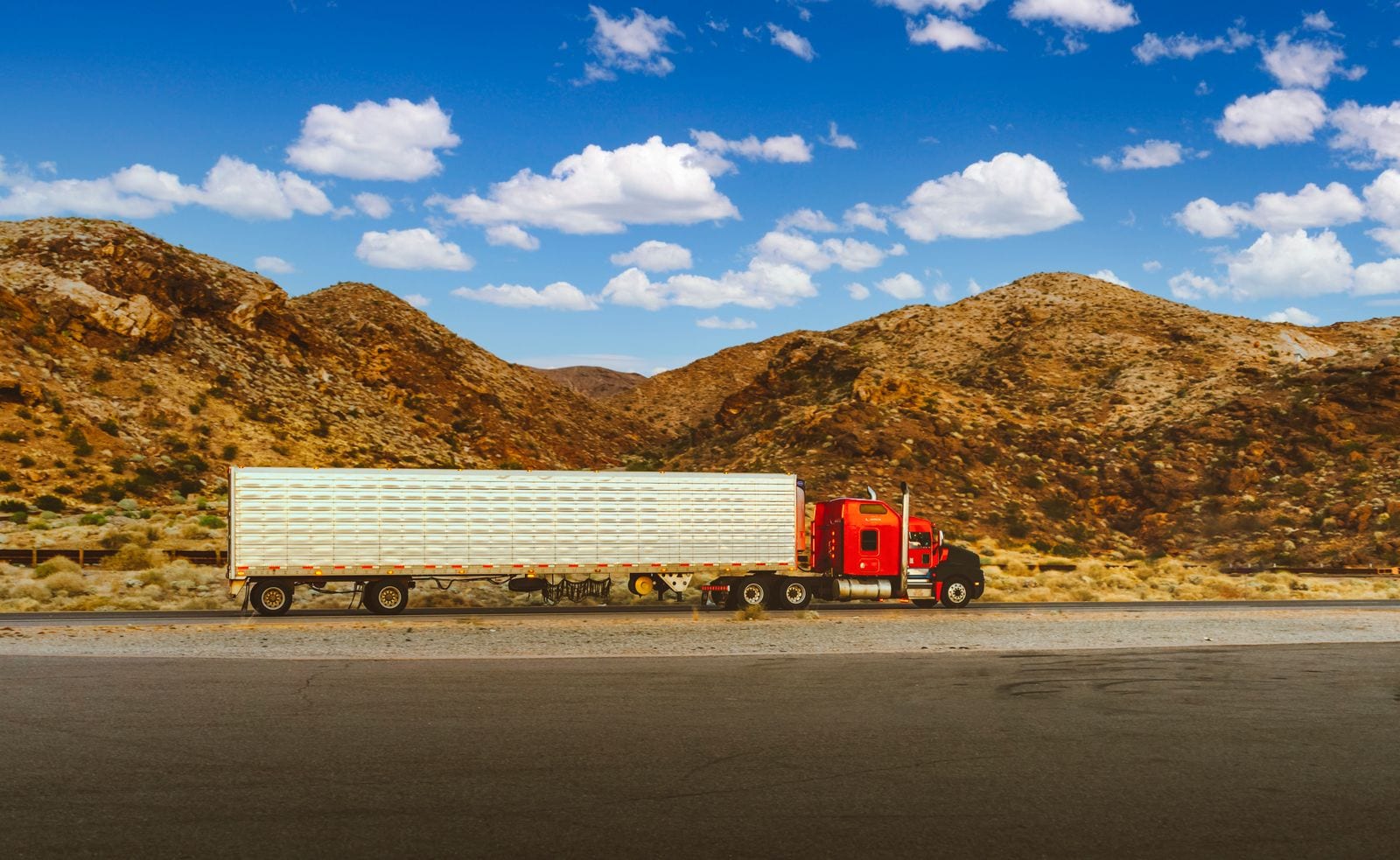
A delivery vehicle entering a loading area may involve the driver, the vehicle owner, a carrier and the business receiving the goods. A company name on the side of the truck gives a starting point, but it may leave other relationships unresolved. Save the plate, fleet number, trailer markings and delivery location when you can do so safely.
The movement matters as much as the vehicle’s size. Was the truck reversing from a service lane, turning into an entrance or continuing along the public road? Was another person directing it? Did a parked vehicle or temporary stack of goods block the view? A diagram showing these positions can help Howard decide which records and witnesses deserve attention.
Depending on the vehicle and trip, useful records may include dispatch instructions, delivery appointments, inspection records or available driving data. Preserve communications you already received and identify the business contact you spoke with. A request for evidence needs enough detail to distinguish this delivery from other trips at the same property.
A serious injury may also affect a job that involves lifting, driving or repeated physical tasks. Bring written restrictions and the duties you performed before the crash. They help connect the medical history with the financial consequences, while the scene investigation addresses how the collision happened. Both parts deserve a clear account.
Uber and Lyft pickups around Costa Mesa businesses
A rideshare pickup outside a restaurant or shopping destination may move from one entrance to another through messages in the app. Save those instructions and the actual pickup point. The original destination pin may mark a building’s center while the car stopped along a different curb. That difference can matter when someone was struck approaching the vehicle or injured during boarding.
An Uber accident attorney reviewing the event needs to know whether you were a passenger, another driver or a pedestrian. Explain where you were when the vehicle began moving. Keep the trip receipt, driver details, timestamps and available messages together. If you used another phone to arrange the trip, identify which device holds the original record.
Howard can compare the trip chronology with the scene and other accounts. A screenshot showing a pickup change may explain why the driver turned into a service lane. A receipt can help narrow the time window for nearby footage. Preserve full messages so the preceding instruction remains visible alongside the reply.
If the ride ended early after an injury, record what happened next, including how you reached medical care and which provider first evaluated you. Keep that sequence separate from speculation about what the driver intended. Your description should distinguish what you directly saw from details learned later.
Costa Mesa motorcycle accidents and conflicting sightlines
A rider approaching an intersection may be visible from one lane and partly hidden from another. After a left-turn or lane-change collision, preserve photographs from both approaches. Note parked vehicles, a queue or other objects that affected the view at the time. A later photograph may show a clear road even though the original scene was obstructed.
Howard can examine the movements of both vehicles against the available record. Preserve the motorcycle before repairs if possible, and save the full available camera recording. The location of damage, final vehicle positions and independent observations may answer different parts of the sequence. An early assumption about speed or visibility should be tested against what the evidence actually shows.
For a rider with a hand, shoulder or leg injury, describe the specific effect on work and ordinary movement. Someone may be able to walk into an appointment but unable to grip tools throughout a shift. Keep clinical restrictions and the tasks affected together. They help explain limitations that a simple return-to-work date may overlook.
Pedestrian injuries between Costa Mesa stores, parking and streets
Walking from a parked car to a store can involve a vehicle aisle, a marked crossing, a driveway and a raised walkway. Identify which part of the route you had reached when the collision occurred. Photograph the route from your direction of travel and, if safely possible, the driver’s approach. Keep wider images that show how the close-up photographs fit together.
A witness may remember a turning car without knowing whether it crossed the sidewalk or struck someone within a parking lane. Mark the point of impact and distinguish it from where you later sat or received assistance. If vehicles were moved, explain that clearly. The original location can become harder to reconstruct after the shopping area returns to normal use.
Howard can use the walking route, traffic controls and available observations to investigate responsibility. If you needed help getting home or reaching treatment, retain the practical record of that assistance. For ongoing mobility restrictions, bring provider instructions and examples of how the injury changed work, errands or caring for family.
Slips, trips and falls at Costa Mesa commercial properties
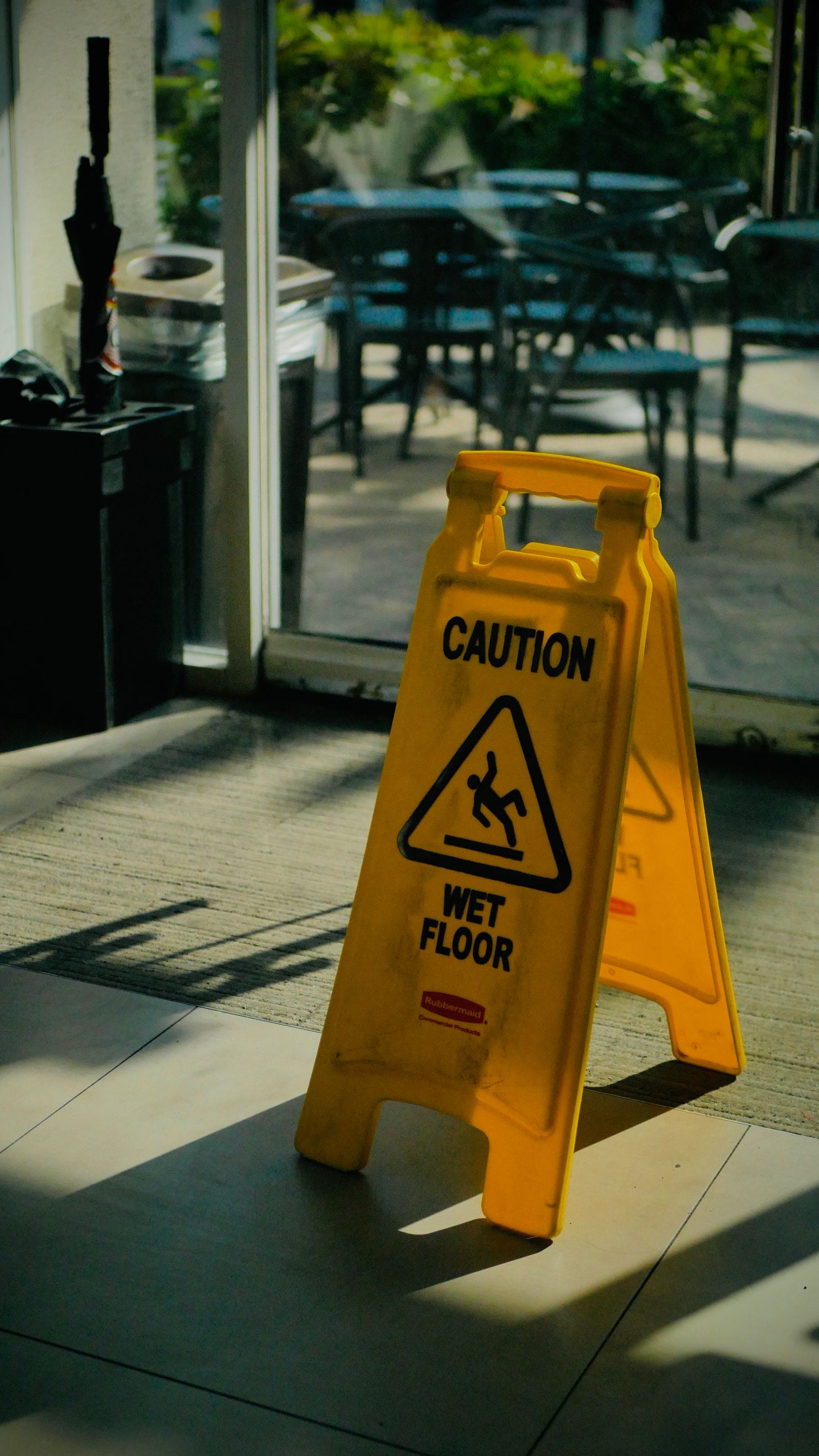
A spill near a restaurant entrance and a raised edge in a parking structure require different investigations. For a spill, the timeline may include when the condition appeared, who noticed it and what inspection or cleanup occurred. For a damaged surface, earlier complaints, maintenance history and the party responsible for the area may become important.
Photograph the condition before it changes when you can do so safely. Include lighting, warnings, floor materials and your direction of approach. A close-up can show a defect but leave its location uncertain. A second photograph showing nearby signs, doors or parking-level markings helps identify it later.
If a staff member took an incident report, note the person’s name or role and ask how to identify that report. Keep any reference number or follow-up message. Describe the condition in your own observations. If someone told you there had been an earlier problem, preserve the words and who said them without treating the statement as an established fact.
Howard can review who operated the business and who controlled the surface involved. Those may be separate parties where several tenants share an entrance or garage. Bring the precise scene information so the investigation can begin with the correct area and the records that may explain its condition.
Use the section links to go straight to the records, recovery questions or decisions you want to understand.
City collision records, freeway reports and business incident files
Begin with the responding agency and incident number. Costa Mesa’s official online reporting instructions distinguish city incidents from incidents on freeways and their onramps or offramps. Use the current department guidance to select the appropriate channel. A Costa Mesa address does not by itself establish which agency investigated a particular collision.
The city’s traffic-collision guidance discusses how officers document parties, injuries, witnesses, location and damage. Read any completed report with those categories in mind. Identify which information came from an officer’s observation and which came from a person’s account. Flag a missing witness or a diagram that leaves the entrance unclear when discussing the record with Howard.
A business may also hold an incident or security file from the same event. Keep its reference number separately from the police number. Note the time you spoke with staff and whether you provided a written account. Preserve a copy of anything you submitted so it can later be compared with other records.
If the report is still unavailable, the first consultation can begin with the receipt, photographs and facts you already have. Mark unanswered questions openly. This helps distinguish a record that has not arrived from a fact nobody has yet established.
Testing a disputed Costa Mesa account against the timeline
Suppose a car and a delivery van collided at a shopping-center exit. One driver says the van reversed into the lane. The other says the car passed through a restricted area. A receipt, a witness and a camera may each reveal only part of the event. Put the known times and locations beside each other before drawing a conclusion.
A camera facing the store door may show when a person left the building but miss the vehicle aisle. A dash camera might show the impact but have the wrong clock setting. Preserve the original file and record how you know the approximate time. Howard can consider how each source fits with independent records instead of assuming that every displayed timestamp is exact.
For photographs, separate original files from versions marked up for explanation. A diagram can clarify a turn, while an unedited image preserves the underlying view. Keep both if you make an annotated copy. Include the moments immediately before and after the event where they are available.
This investigation can also reveal what remains uncertain. A witness who heard a sound and turned around cannot necessarily explain the preceding maneuver. Give that witness credit for the observation they can make. A careful account allows the legal review to focus on the actual dispute.
Serious injuries and the tasks a diagnosis does not describe
After a Costa Mesa accident, the medical record may begin with a brief emergency evaluation and develop through later visits. Keep the provider names, dates, discharge instructions and referrals together. If follow-up care happened closer to home, record that transition. It can explain why records are held by more than one facility.
An injury affecting memory or concentration may be noticed during a normal workday rather than while resting at home. Describe the task and the change, such as needing reminders for a familiar sequence or taking longer to complete paperwork. Bring those observations to your treating provider and retain the resulting recommendations. A lawyer’s review uses the medical evidence alongside the practical account.
For fractures, back injuries or lasting restrictions, record what you could do before the accident and what you can now sustain. A short activity may be possible while a full shift remains difficult. Keep written restrictions and treatment plans with examples from work or home, including when the limitation improved or changed.
Howard can discuss how the available evidence connects the injury to the accident and documents its consequences. Where medical questions remain, those require appropriate clinical evaluation. The claim review should accurately reflect what providers have recommended and what is still being assessed.
Missed shifts and reduced duties after a Costa Mesa injury
For a restaurant, retail or service employee, the financial effect may appear across several different records. A schedule shows the shifts expected. Payroll shows what was paid. Leave records and a manager’s messages may explain why the two changed. Keep these documents in the same date order as the treatment and restrictions.
Returning to work does not always mean returning to the same role. A worker might complete shorter shifts, stop carrying deliveries or take seated duties that offer fewer hours. Describe the original job and the revised duties with dates. If hours varied before the accident, bring enough earlier records to show the pattern rather than relying on a single unusually busy week.
For someone paid through tips, commissions or independent work, preserve the records normally used to track earnings. Identify any canceled booking or uncompleted assignment and whether another person performed it. Distinguish income actually lost from work that was later rescheduled. Howard can review those details using his accounting background.
Future earning concerns need a separate discussion from wages already missed. A continuing medical restriction may affect the duties a person can perform, but its duration and financial effect require support. Bring the current recommendations and explain which work remains unavailable so the next information needed can be identified.
Building a supported account of the loss
Start with expenses already incurred. Keep treatment bills, receipts for related travel and records of equipment or assistance alongside the date they arose. Mark amounts billed, paid or still outstanding rather than treating every document as a separate expense. Two statements may describe the same visit.
For future care, preserve the provider’s actual recommendation and whether it is a referral, proposed treatment or established plan. A discussion about a possible procedure differs from a scheduled course of rehabilitation. The evidence should make that distinction visible when the financial consequences are reviewed.
The effect on daily life also deserves concrete description. After a fall outside a store, someone may need help carrying groceries or managing stairs at home. After a collision, a person may stop driving children to activities because of a documented restriction. Record the task, frequency and change over time. These examples provide context that a list of diagnoses may not convey.
A useful consultation connects these losses to the event and treatment history. Howard can discuss what the records support, what remains uncertain and which additional information would help. A figure entered into a calculator cannot replace that review. The educational calculator can help organize inputs before talking through your actual circumstances.
California Courts describes a general two-year deadline for personal injury lawsuits, with exceptions and different requirements for some defendants. A government-related injury can require an earlier claim before a lawsuit. Give Howard the accident date and identify any public vehicle or agency you believe was involved so the applicable questions can be checked early.
A pending police report or ongoing treatment should be mentioned during that discussion. Record the dates of letters and notices received, and bring the documents themselves. A deadline review depends on the facts and the parties involved. Ask for clarity about the next action and the date by which it needs attention.
The place where an injury happened is relevant to venue, but it does not by itself identify the proper department or filing destination. The official court guidance is a starting resource. Discuss the actual parties and circumstances before assuming a particular courthouse will handle the case.
When a Costa Mesa accident leaves a family seeking answers
After a fatal accident, family members may have fragments of information from different sources. One person may hold the incident number, another may have spoken with a witness, and another may have received correspondence. Identify the source and date of each item so the account can be reviewed without losing track of where information came from.
A first conversation can address who may be able to pursue a claim and which records are needed to evaluate the circumstances. Bring the available incident details and explain what is known about the people, vehicles or business involved. It is reasonable to begin while some questions remain unanswered.
Financial consequences may include the loss of support or services previously provided within the household. Those issues require their own evidence and legal review. Howard can discuss the information needed for the family’s circumstances and how the investigation would proceed. The wrongful death guide provides a broader introduction to those questions.
What Howard would examine in a shopping-center collision
Consider an illustrative situation in which a shopper leaves a garage and is struck while turning toward the street. The other driver says the shopper crossed a stop line. The shopper says a delivery vehicle blocked the view. The investigation begins by separating three questions. Where did each vehicle travel? What could each driver see? Which movement contributed to the impact? The fact that a delivery vehicle was present does not establish that its operator caused the crash.
Howard can compare the approach photographs with the drivers’ accounts and the available recording. If the camera shows only vehicles leaving the garage, another source may be needed to explain the movement on the road. A witness standing behind the delivery vehicle might help establish the obstruction while having no view of the approaching car. Each source is useful for the part of the event it can actually describe.
Next comes the connection between the collision and the claimed losses. An emergency visit, a later restriction on lifting and a reduced work schedule should be placed in order. If the person continued working for several days before changing duties, the account should explain that sequence accurately. The aim is a record that can be checked against the dates and documents.
This example illustrates questions a case may raise. It describes no particular client or outcome. In an actual consultation, Howard can explain which questions are unresolved, what evidence might answer them and whether the available facts warrant further investigation.
Keeping a Costa Mesa recovery record accurate as things change
A recovery history can include improvement as well as continuing difficulty. Someone who initially needed help getting dressed may later manage that independently but still struggle to lift stock at work. Record when the first limitation ended and which restriction continued. An account that recognizes progress gives a clearer picture than repeating the same description throughout treatment.
Follow-up appointments may change the plan. A provider could recommend a further evaluation, revise restrictions or discharge someone from a particular course of care. Keep the recommendation with its date and note whether it was carried out. When an appointment is postponed, retain the scheduling message and explain the reason as you understand it. This helps the review distinguish an administrative delay from a change in medical need.
For help provided by family, describe the activity and period involved. Rides to appointments, carrying household supplies and assistance with regular routines are different forms of help. Record whether the need was brief, recurring or ongoing. Howard can discuss the relevance of those facts to the particular claim, alongside the medical support for the limitation.
Keep your original notes even if you later prepare a shorter summary for the office. If a date is approximate, mark it that way. If you correct an earlier recollection after receiving a record, explain the source of the correction. Accuracy makes the account easier to understand when records arrive at different times.
Use the first meeting to understand the decisions ahead
A Costa Mesa consultation can start with three priorities. Explain the event in the order it happened, describe the treatment so far and identify the decision you are facing now. You might be unsure which business holds an incident record, whether a missing witness matters or what a new work restriction means for documenting the loss. Bring the document or message that raised the question.
Ask Howard which parts of the account are supported and which need investigation. For a property injury, that may mean identifying who maintained a shared entrance. For a delivery crash, it may mean understanding the relationship between the driver and the company. For a lasting injury, the immediate question may be which provider’s records explain the current restriction.
Before representation begins, discuss the scope of the work, the written fee arrangement and how to contact the office about developments. No fee unless there is a recovery is the firm’s stated attorney-fee promise. The dedicated fee page explains that commitment, while the representation agreement sets out the arrangement for your case.
Questions before calling about a Costa Mesa accident
Can I call before receiving the report?
Yes. Begin with the event date, location, responding agency if known, and available photographs or correspondence. Tell the office which documents are still pending. A report can add information later without preventing an initial discussion of what happened.
What if the incident was inside a parking structure?
Give the level, entrance and business you were visiting. A street address may identify several buildings or garages. Keep photographs of signs and the route to the condition or collision so the exact place can be located again.
What if I live outside Costa Mesa?
Explain where the injury occurred and where subsequent care took place. Keep the first evaluation and later appointments in date order. Your residence and treatment locations provide context, while the legal review examines the event and the potentially responsible parties.
Do you have a Costa Mesa office?
Howard serves Costa Mesa from Buena Park at 6301 Beach Blvd, Suite 216. Call to arrange a consultation and discuss the records available. The page describes a community served by the firm, and the contact page provides the office information.
How do I choose which type of case to discuss?
Start with what physically happened. A truck struck a pedestrian, a person fell beside a store entrance, or a passenger was hurt during a rideshare trip. The office can then identify which issues need closer review instead of requiring you to select a legal category in advance.
Serving Costa Mesa from Buena Park.
6301 Beach Blvd, Suite 216 Buena Park, CA 90621
Speak with Howard Choi about your accident, the treatment so far and what you need help understanding. No fee unless there is a recovery.

 01 / Car accidents