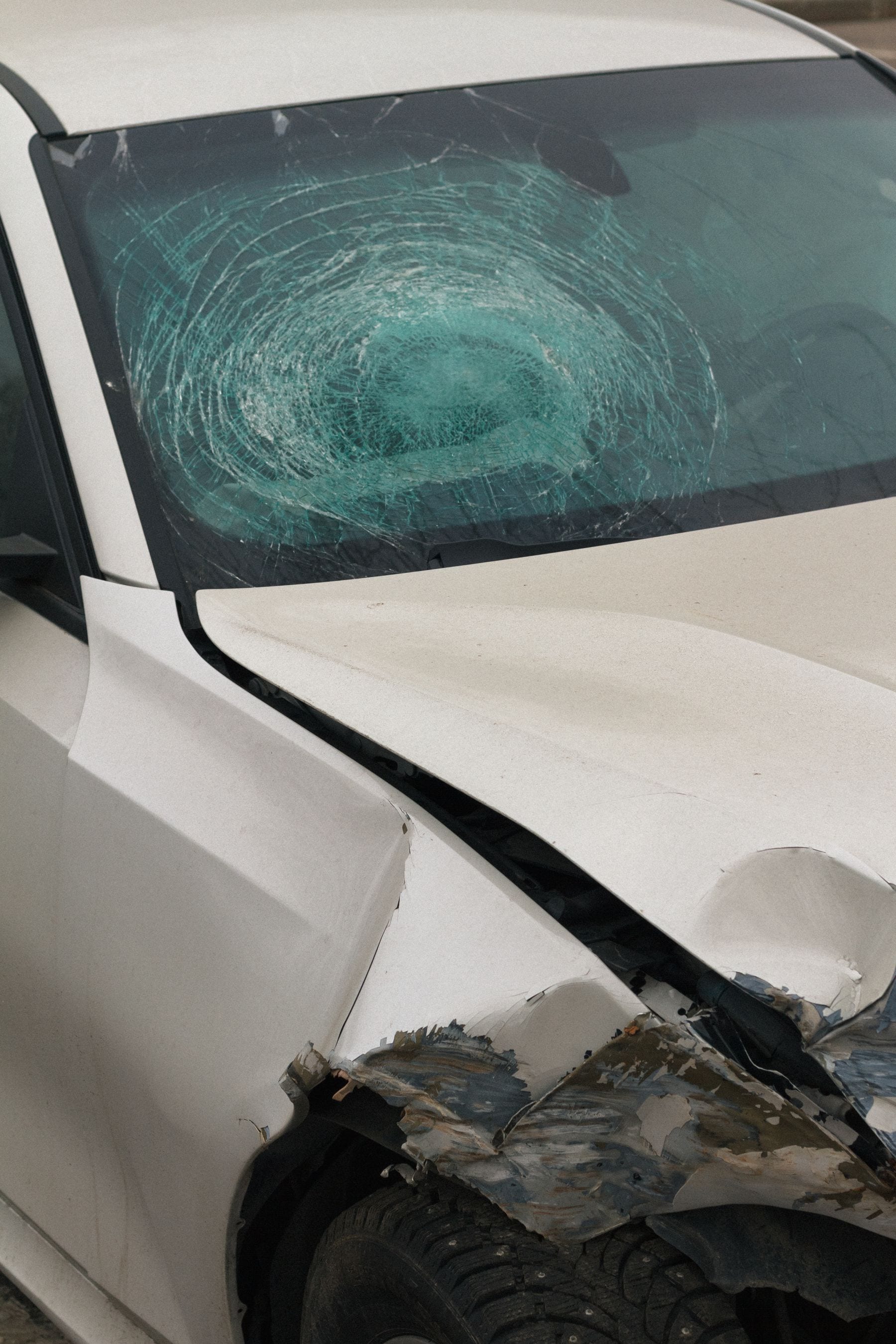
A repaired car can look right, drive well, and still sell for less because of its accident history. A diminished value claim seeks compensation for that remaining loss in market value. The challenge is showing how much value the collision took away and identifying a legally responsible party or applicable insurance coverage.
Before paying for an appraisal, check three things.
- Identify the payment route. A claim against another driver differs from a claim under your own insurance policy.
- Establish the vehicle’s condition. Determine whether repairs are complete, corrective work remains, or the insurer considers the vehicle a total loss.
- Locate the valuation disagreement. Ask whether the dispute concerns prior condition, repair quality, comparable vehicles, or coverage.
Those answers help you choose the next useful step instead of collecting expensive evidence that does not address the problem.
Key point“Learn how California diminished value claims work, what evidence supports lost vehicle value, how insurance coverage differs, and which deadlines may apply.”
Decide whether a paid appraisal would answer the dispute
Ask the insurer to identify what it disputes. If it questions fault, another appraisal may leave that issue untouched. If it accepts fault but questions the amount, a closer match on mileage, trim, condition, and market can improve the comparison. Before spending money, ask what a new report would show that your current evidence cannot.
What diminished value means
Diminished value is an accident-related reduction in a vehicle’s market value. For a repaired vehicle, the central question is whether a measurable loss remains after appropriate repairs.
Keep five figures distinct.
| Figure | What it measures | What to check |
|---|---|---|
| Pre-loss value | Market value immediately before the collision | Mileage, equipment, condition, prior damage, and local market |
| Repair costs | Reasonable expenses of correcting collision damage | Final invoices, supplements, and work actually performed |
| Residual diminished value | Accident-related market loss remaining after repairs | Comparable vehicles, repair history, and valuation method |
| Total-loss valuation | Value used when the vehicle is treated as a total loss | Vehicle description, comparable vehicles, and adjustments |
| Normal depreciation | Changes associated with age, mileage, wear, and market movement | Whether the claimed loss actually resulted from the collision |
A lower offer months after an accident is not enough by itself. Added mileage, mechanical problems, or falling used-car prices could explain part of the difference. A useful valuation isolates the collision’s effect rather than assigning every decline to it.
Why diminished value matters to car owners
Structural repairs, airbag deployment, extensive bodywork, and documented repair defects can influence buyers’ decisions. Even satisfactory repairs can leave a vehicle with a history that affects its marketability.
The financial importance varies. A modest percentage change on a high-value vehicle can justify close investigation. An older vehicle can also suffer additional loss, but prior damage and ordinary wear make the comparison more difficult. Start with evidence about your vehicle, not a rule that all accident histories produce the same discount.
California law and insurance coverage
Repair costs, remaining loss, and the damages limit
California’s property-damage framework distinguishes repair expenses from reduced market value. Judicial Council instruction CACI No. 3903J, reproduced by Justia, describes recovery based on reduced value or reasonable repair costs, whichever is less. It also addresses property that can be repaired but remains worth less afterward. Under that formulation, reasonable repair costs plus the remaining reduction in value cannot exceed the property’s value before the harm. Read Justia’s reproduction of CACI No. 3903J.
This is a damages framework, not automatic approval of an appraisal. A claimant must establish the relevant amounts and avoid counting the same loss twice. If a dent remains unrepaired, distinguish the cost of correcting it from any lasting market loss expected after correction.
For a hypothetical vehicle worth $30,000 immediately before a collision, assume reasonable repairs cost $7,000 and reliable evidence places its post-repair value at $27,500. The proposed remaining loss is $2,500. Repair costs and residual loss total $9,500 before considering responsibility, coverage, prior payments, and other applicable issues. The arithmetic identifies the demand’s components. It does not establish entitlement to payment.
Claims against another driver and claims under your policy
A third-party claim seeks damages from someone legally responsible for the collision, commonly through that person’s liability insurer. Evidence must address responsibility, the connection between the collision and the damage, and the amount sought.
A first-party claim seeks benefits under your own insurance contract. Collision coverage addresses covered physical damage, subject to policy terms and a deductible. Do not assume it includes a separate residual diminished value benefit. Read the policy and endorsements, then request a written explanation of any coverage denial. California Department of Insurance automobile coverage guide.
Available insurance also affects the practical value of pursuing a claim. California’s standard minimum liability limits increased to 30/60/15 on January 1, 2025. That means $30,000 for bodily injury to one person, $60,000 for bodily injury per accident, and $15,000 for property damage. Property-damage limits can become important when one collision damages several vehicles or other property. A well-documented loss and sufficient insurance to pay it are different questions.
Responsibility and valuation require different evidence
An accident report records information about the collision. Treat it as part of the evidence rather than a substitute for reviewing photographs, witness accounts, and the parties’ explanations. California Courts emphasizes identifying the proper defendants and gathering evidence when preparing an accident-related lawsuit. California Courts guidance on personal-injury lawsuits.
Evidence of reduced value does not resolve a dispute over who caused the crash. Likewise, an insurer’s acceptance of repair costs does not establish the amount of residual loss. Keep the liability discussion and the valuation discussion organized separately so that an unanswered question in one does not disappear inside the other.
Decide whether further expense is worthwhile
A claim can be plausible without justifying an expensive appraisal or lawsuit. Work through the following checkpoints before committing money.
| Checkpoint | Evidence or answer needed | Practical next step |
|---|---|---|
| Is there a payment route? | Identified responsible party, liability insurance, or relevant policy provision | Resolve uncertainty about responsibility or coverage before commissioning a full valuation |
| Is the repair condition settled? | Final invoice and information about outstanding defects | Obtain corrective-work findings before valuing the vehicle as satisfactorily repaired |
| Is there evidence of a remaining market loss? | Relevant comparable vehicles, reasoned dealer feedback, or an appraisal | Gather inexpensive market evidence before buying a more detailed report |
| What exactly is disputed? | Written insurer explanation | Purchase evidence that addresses that objection, not another general estimate |
| Is additional recovery worth the expense? | Disputed amount, appraisal charges, possible testimony costs, and available payment sources | Compare realistic outcomes with the unreimbursed costs of pursuing them |
| Is time running short? | Applicable filing deadline and any government-claim or policy requirements | Obtain deadline advice before spending more time negotiating |
This sequence prevents a common mistake. An owner purchases a detailed market appraisal only to discover that the insurer’s actual objection concerns policy coverage or disputed responsibility.
Two hypothetical spending decisions
Suppose an owner has a newer vehicle, extensive documented repairs, and two written dealer assessments identifying an accident-history discount. The insurer accepts responsibility but disputes the amount. An appraiser quotes $450 for an inspection and report addressing the insurer’s comparable vehicles. If the remaining dispute is several thousand dollars, that targeted expense could be reasonable. Ask separately about testimony charges before retaining the appraiser.
Now suppose an older vehicle has substantial prior damage, and the only evidence is one trade-in offer $600 below an online retail estimate. An appraisal would cost $500. Before spending that money, obtain another offer and compare prices on the same basis. A retail-to-trade-in difference does not isolate accident-related loss.
These examples are decision tools, not predictions of recovery. Do not count unverified appraisal fees, legal expenses, or other costs as amounts someone else will necessarily reimburse.
How to develop a defensible valuation
Use comparable prices on a consistent basis
Compare vehicles with similar model years, trims, mileage, equipment, condition, and location. Record when each price was observed. Market movement can distort a comparison made across widely separated dates.
Keep asking prices, completed sale prices, dealer purchase offers, and trade-in offers distinct. They describe different transactions. If an appraisal uses more than one type, it should explain the adjustments rather than treating them as interchangeable.
Ask the appraiser to identify prior accidents, existing defects, and assumptions about repair completion. A report that ignores unfavorable facts gives the insurer an obvious reason to challenge it.
Examine formulas instead of accepting their labels
If an insurer uses a formula such as “17c,” request the calculation, its inputs, and the reasons for its adjustments. Ask how it accounts for your vehicle’s mileage, prior condition, repair scope, and local market.
A calculator result is not a substitute for explaining the loss. The useful question is whether the method produces a credible vehicle-specific valuation under the applicable damages framework.
Treat total-loss disputes separately
When the insurer treats the vehicle as a total loss, focus on the pre-loss valuation and settlement calculation rather than a hypothetical resale price after repairs. Check the recorded trim, options, mileage, condition, and comparable vehicles.
Your loan balance is another figure entirely. GAP coverage, if purchased and applicable, addresses a different financial problem from residual diminished value. Review its terms instead of assuming a valuation dispute or ordinary auto coverage will eliminate a loan shortfall.
A loan shortfall after a total loss raises a separate question; our guide to how GAP insurance works explains that distinction. Before focusing on valuation, also check California DMV accident-reporting requirements.
Documents that answer specific objections
An effective claim file connects each document to a disputed issue. Keep readable copies, label photographs, and arrange records chronologically.
Accident reports and photographs
Preserve available collision reports, witness contact information, and scene photographs. Include wide views and close-ups of damage. Earlier photographs can help establish pre-accident condition.
Post-repair photographs show visible results, but they cannot establish the condition of hidden components. Use inspection and repair records for questions that photographs cannot answer.
Repair estimates and final invoices
Save the initial estimate, supplements, and final itemized invoice. The estimate shows planned work. The final invoice helps establish what was performed.
Depending on the damage, useful supporting records can include structural measurements, alignment results, replacement-part information, diagnostic scans, and calibration records. If the vehicle pulls to one side or has another unresolved problem, document the symptom and obtain an appropriate inspection before presenting it as permanent diminished value.
Vehicle history and pre-accident condition
Collect maintenance records, purchase documents, mileage records, and information about previous repairs. Disclose prior damage to the appraiser so that the latest collision does not receive credit for an existing loss.
A vehicle history report can help document the accident record, but it does not assign a reliable dollar amount to the loss. Check it for inaccuracies and retain the underlying records where available.
Appraisals, comparable vehicles, and dealer feedback
A useful appraisal identifies the vehicle, records reviewed, valuation date, method, comparable vehicles, and adjustments. It should explain why any remaining loss is attributable to this collision.
Before hiring an appraiser, ask whether the fee includes an inspection, responses to insurer objections, and revisions for factual errors. Ask about separate charges for testimony. Written dealer feedback is more useful when it explains the accident-related adjustment than when it provides only a purchase price.
Insurance correspondence and expert evidence
Keep offers, valuation reports, coverage letters, claim numbers, and copies of everything submitted. After a consequential telephone call, send a short written summary and invite corrections.
Match expert evidence to the issue. Repair-quality disputes call for relevant technical findings. Market-value disputes call for a reasoned valuation. A professional title alone does not explain why the conclusion is sound.
Steps to pursue a diminished value claim
Assess the claim and submit a written demand
Identify the potentially responsible parties, the insurance involved, and the precise loss being claimed. Explain whether repairs are complete and whether you allege defective work, residual market loss, or both.
In the demand, itemize repair expenses, residual diminished value, and other claimed losses separately. Attach the documents that support each amount. Identify prior payments so the insurer can see what remains unresolved.
For a first-party dispute, request the policy provisions underlying the insurer’s decision. For a valuation dispute, ask which facts or calculations the insurer contests.
Negotiate the actual disagreement
Respond to the objection rather than resending the entire file. If mileage is wrong, provide dated mileage records. If comparable vehicles have different trims, identify the equipment differences. If prior damage is alleged, supply available history and condition evidence.
Neither side’s opening number settles the issue. Keep a short record of disputed facts, documents supplied, and questions still unanswered. This makes it easier to decide whether another round of negotiation is productive.
Consider mediation or arbitration
Mediation uses a neutral person to help the parties seek agreement. Arbitration involves a neutral decision-maker under an agreement or applicable rules.
Before participating, clarify the fees, issues covered, evidence requirements, and whether the outcome will be binding. Do not assume that a procedure available under your own policy also applies to a third-party claim.
Evaluate legal action and trial preparation
If negotiations fail, consider whether small claims court or another civil proceeding fits the amount and circumstances. Identify the correct defendant rather than assuming the responsible driver’s insurer is the party to sue. Check the chosen court’s current filing, service, evidence, and representation rules before proceeding.
Prepare to explain responsibility and damages separately. An appraisal needs more than a final number. The person presenting it should be able to explain the comparisons and answer objections. California Courts provides general guidance on identifying defendants, gathering evidence, and preparing an accident-related civil case.
Review settlement terms and payment prospects
Read the release before accepting a settlement. Identify which parties and claims it covers, when payment is due, and whether an unresolved injury or property claim is included.
A judgment is not the same as money received. Collection can require additional effort, so consider insurance and other realistic payment sources before choosing litigation. Keep settlement documents, payment records, and any judgment together.
Filing deadlines and claim timing
California generally allows three years to sue for damage to personal property. Injury claims commonly begin with a two-year general rule. Different claims from the same collision can therefore require different deadline analyses. Policy-based disputes and exceptions also need individual review. California Courts filing-deadline guidance.
Government involvement requires prompt attention because a government claim can be required on a substantially shorter timetable. Do not assume that negotiations pause a lawsuit deadline or satisfy policy notice requirements. Record the collision date, identify any public entity involved, and obtain advice about the specific deadlines early.
There is no dependable settlement schedule for every diminished value claim. Repair delays, missing records, contested responsibility, and expert availability all affect progress. Preserve evidence now, even if you have not decided whether further expense is justified.
Discussing your claim with an attorney
If you are considering legal representation, ask whether the firm accepts property-damage-only diminished value matters or addresses them alongside injury claims. Confirm the proposed scope of work, fees, expenses, and engagement terms directly. The firm publishes information about its accident-related practice on its website.
Preparing for an initial consultation
Bring the collision date, insurance information, repair records, photographs, valuations, correspondence, and any release. Explain what has been paid and what remains disputed.
Use the consultation to identify the next decision. Ask whether responsibility needs investigation, which evidence is missing, whether an appraisal is proportionate, and which deadlines apply. If you were injured, ask how the property and injury claims should be coordinated. Our car accident practice page describes the injury-claim process; confirm directly whether a property-damage-only matter fits the firm’s services.
Negotiation, proceedings, and contacting the firm
Clarify whether a proposed engagement includes demand preparation, negotiations, appraisal coordination, litigation, or settlement review. Ask who pays outside experts and how those expenses affect the economics of a modest claim.
When contacting the firm, provide a concise account of the collision and the insurer’s written position. Request confirmation that the matter fits the firm’s services before sending a large file or incurring additional expense.
Frequently asked questions
Can I pursue diminished value without selling my car?
The damages framework addresses reduced property value rather than making a completed sale the measure of every claim. An appraisal and relevant market evidence can therefore be important when you retain the vehicle. They still need to establish a credible loss. If you do sell, preserve the sale date, price, terms, and buyer correspondence so the transaction can be evaluated in context.
What if repairs are finished but the car still has problems?
Document the problems and obtain an appropriate inspection. Separate corrective repair costs from any loss expected to remain after proper correction. A valuation based on satisfactory repairs will not accurately describe a vehicle with unresolved defects, and counting the same defect in both categories risks overstating the claim.
Does my collision coverage pay diminished value if the other driver is uninsured?
Do not infer a diminished value benefit from collision coverage or from the other driver’s lack of insurance. Review your collision coverage, any applicable uninsured-motorist property coverage, endorsements, limits, and exclusions. Ask the insurer to identify the provision that covers or excludes the particular loss you are requesting.
Is an appraisal worthwhile for an older vehicle with a previous accident?
Possibly, but investigate inexpensive evidence first. Obtain the repair history, establish pre-collision condition, and collect comparable offers on a consistent pricing basis. Ask an appraiser how the report would distinguish the latest collision’s effect from existing damage. If the likely disputed amount is close to the appraisal charge, consider whether a less costly record review would answer the immediate question.
What if the insurer offers a formula-based amount?
Request the full calculation and check its vehicle information, damage assumptions, mileage adjustments, and market basis. Then identify the specific input or method you dispute. A higher estimate is not a complete rebuttal unless it explains why its evidence better measures this vehicle’s accident-related loss.
Can I seek more money after accepting a repair payment?
Review the documents connected with that payment. A repair payment and a comprehensive settlement release are not necessarily the same thing. The release’s wording, the claims involved, and the surrounding circumstances require review before you assume another claim remains open. Preserve the payment letter, signed documents, and related correspondence.
Should I keep negotiating if the filing deadline is approaching?
Do not rely on ongoing discussions to preserve your rights. California’s general property-damage deadline is three years, but government involvement, policy-based claims, and other circumstances can change the analysis. Obtain advice about the actual deadline and necessary action while negotiations continue.